Ratpanat and Fundación Recover: a necessary alliance for health in the Ngorongoro Area (Tanzania)
We are joining forces to bring a sustainable healthcare model to the Masai population
The Fundación Recover, Hospitals for Africa, and Ratpanat Luxury & Adventure, a tour operator and travel agency specializing in safaris in Africa, have joined forces to improve access to healthcare in the most needy communities in Tanzania. This partnership is born with the aim of creating a real and lasting impact that brings about improvements in the health and quality of life of the Maasai population that resides in the Ngorongoro Conservation Area.
WHO ARE WE?
Ratpanat Luxury & Adventure
Rapanat Group is a Spanish tourism group that has been operating vertically in Africa since 2008. Thanks to its various companies, it can offer a unique product in the safari segment in Africa that travelers can purchase through Ratpanat Luxury & Adventure, its international travel agency and tour operator. In addition, the group operates its own hotel chain, East Africa Camps, with accommodations located in exclusive areas within the national parks of Kenya and Tanzania.
Ratpanat Group has a strong social commitment to the local communities where it operates and develops its tourism activities. Its Social Action Program focuses on projects that improve access to quality healthcare, as well as promoting the development of African women, showing that tourism and sustainability go hand in hand.
Recover Foundation
Fundación Recover, Hospitals for Africa, is a secular, independent and non-profit organization that has been working in health cooperation in Africa since 2007. It is based in Madrid and has a local team in Cameroon. Its mission is to strengthen the health centers and hospitals with which it collaborates by training local staff, improving infrastructure and equipment, and managing the hospital, so that people with fewer resources can have access to dignified and quality healthcare.
AN ALLIANCE TO CREATE A LASTING IMPACT
This collaboration allows both organizations to work on two lines of action:
1
Field health campaigns
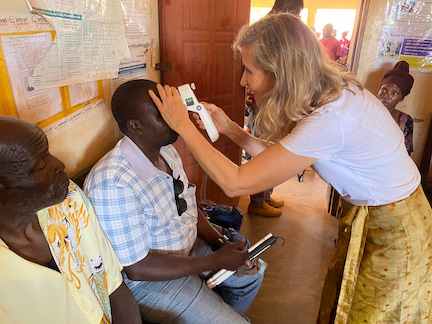
Missions are organized to provide direct medical care to the communities that most need it. This includes health campaigns, both preventive and awareness-raising, as well as surgical ones, in remote areas where health services are very scarce, to say the least.
2
Strengthening health centers
Local health centers, such as the Endulen Hospital, are also strengthened with essential resources and by training local staff. This ensures that the impact of the project will be sustained over time.
WHY IS THIS ALLIANCE?
The collaboration between Ratpanat and Fundación Recover is an important step towards a sustainable health model in Tanzania. As part of their commitment to the region, Ratpanat and Fundación Recover are organizing the actions to be developed in the Ngorongoro Conservation Area, in addition to funding these initiatives with funds derived from their tourism activity, so that each trip made with Ratpanat contributes to improving the health and quality of life of people in Africa.
Tanzania and the Ngorongoro Conservation Area
Ratpanat focuses its Social Action in Tanzania due to its strong ties with the country. Its commitment to the Ngorogongoro Conservation Area, where part of its tourism activity takes place and where one of its camps is located, stems from its understanding of the daily realities and needs of the Masái community.
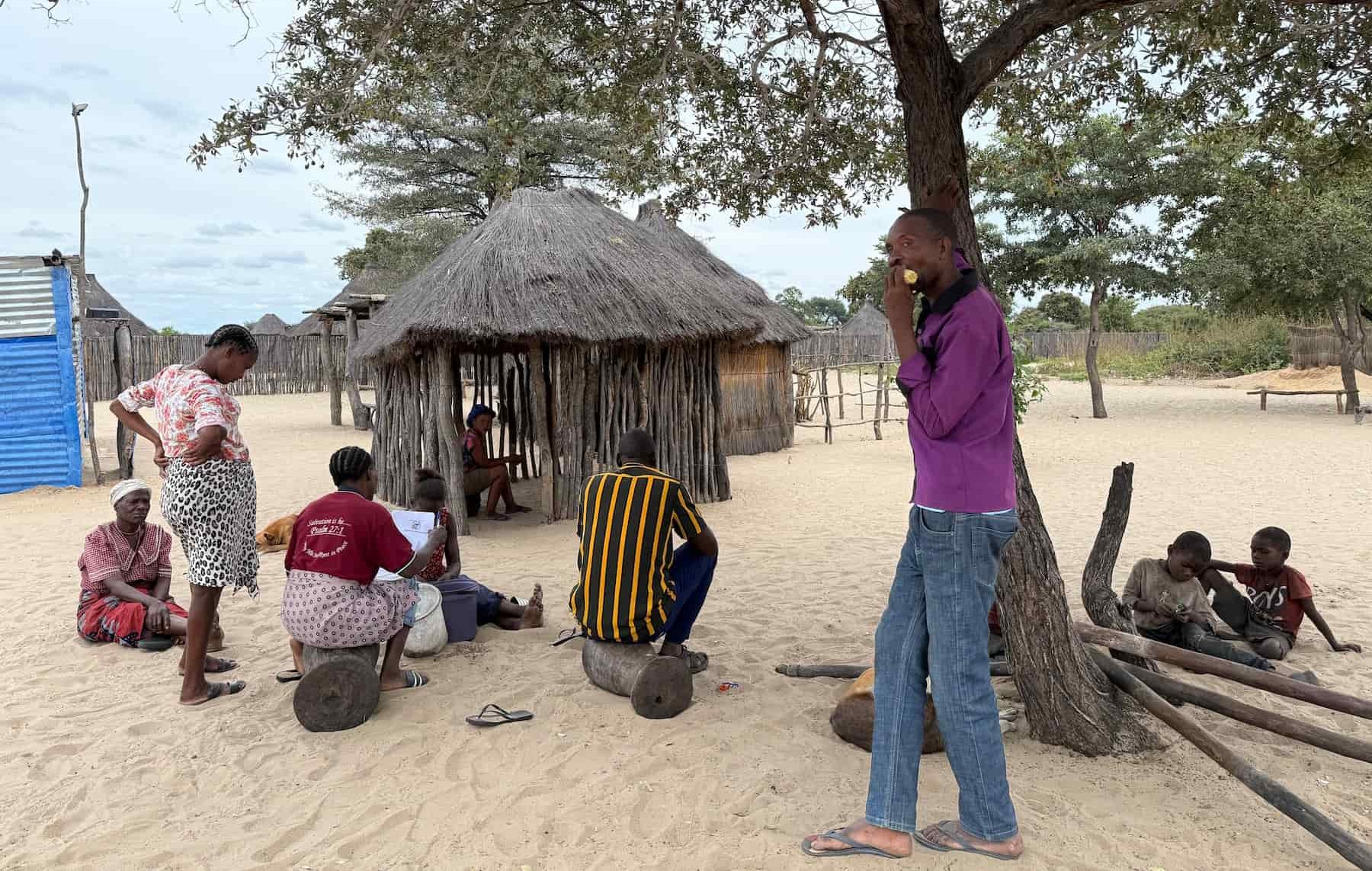
In this area of Tanzania, nearly 200,000 Maasais live with virtually no access to healthcare.
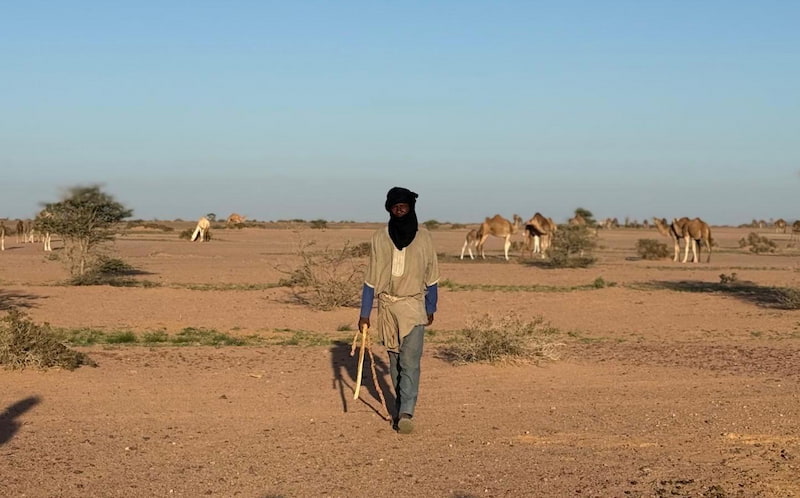
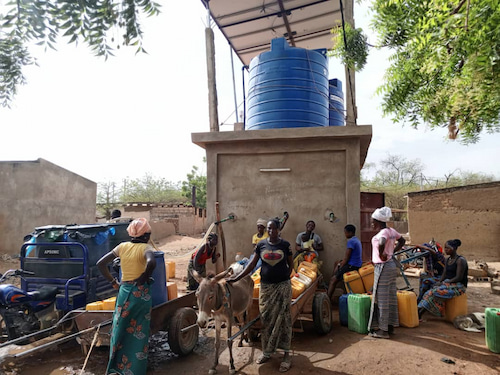
The Masai community lives in villages scattered throughout the Conservation Area over an area of more than 8,000 km2. Their main activity is pastoralism, and their economic and logistical capacity to access medical care is almost non-existent.
Furthermore, their knowledge of conventional medicine and its benefits is limited. For this reason, health campaigns are being carried out, with Spanish doctors volunteers provided by Fundación Recover, at the Endulen Hospital to provide assistance to the Masai population and train local healthcare professionals.
What we have already done: summary of the first mission
days of mission
0
patients attended
0
Interventions surgical Completed
0
professionals sanitary trained
0
EDelivery of Materials to the hospital
days of mission
0
treated patients
0
surgical interventions Completed
0
Healthcare professionals trained
0
EDelivery of materials to the hospital
Everything that remains to be done
Urgent needs for equipment and materials
During the last mission, our volunteers identified two critical areas for improvement at the hospital:
Illumination in the operating room Endulen’s operating room has lights, but their age and the overheating problem mean that they turn off in the middle of procedures. This situation forces surgeons to resort to mobile phones to illuminate the surgical area, with the consequent risk to patients. We need to equip the operating room with new floor-standing lights, whose investment is essential to ensure safe and quality practice.
Disposable surgical material The shortage of disposable materials forces us to reuse gloves, compresses and other supplies, increasing the risk of infections. Providing the hospital with disposable materials is essential to ensure the safety and effectiveness of each intervention. We need various sizes of gowns, compresses and gloves that allow us to perform each surgery in optimal conditions.
Health campaigns that we want to carry out
Given the high number of patients suffering from severe burns, gynecological problems and eye conditions, we have identified several surgical specialties that would provide great relief to the Masai community:
General and plastic surgery
to treat cases of severe burns and hernias, with a team of plastic and general surgeons.
Gynecology
to perform emergency surgeries, such as the removal of uterine tumors and the performing of episiotomies.
Ophthalmology
to address the numerous cataracts and corneal ulcers that affect the vision of many people.
Paediatrics
to carry out examinations in rural areas for younger patients and, if necessary, assess their transfer to the Endulen hospital.
To carry out these campaigns, we need to adequately equip the hospital and have the necessary materials. With your support, we will be able to carry out these interventions that will make a difference in the lives of hundreds of people in the Ngorongoro Conservation Area.
We are looking for healthcare professionals for our campaigns
We are looking for healthcare professionals in the specialties of pediatrics, general surgery and plastic surgery, gynecology and ophthalmology for field missions that will be carried out in the coming months. Previous experience is important and English language skills are required.