EN | EN | FR


Recover Foundation selected by the Sabadell Ethical and Solidarity Investment Fund to prevent malaria in Cameroon

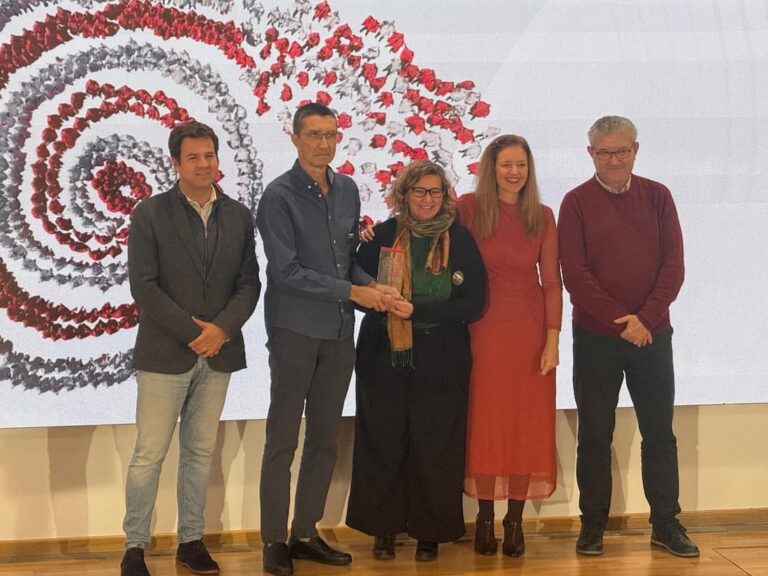
Fundación Recover has been one of the seven organisations awarded for their work in development cooperation and our director, Marta Marañón, was in charge of giving a speech on behalf of all of them. The selected project will raise awareness among local communities in Cameroon and will contribute to the Sustainable Development Goals of the 2030 Agenda.

On October 16, 2024, the first Sabadell Fondo Sabadell Inversión Etica y Solidaria grants awarded FI in the Auditorium of Banco Sabadell's corporate headquarters in Madrid. At this year's event, the Fund allocated a total of 234,703 euros to 23 solidarity projects managed by NGOs, associations and religious congregations.. Since its creation in 2006, the Fund has disbursed more than EUR 3.3 million, benefiting a total of 248 projects.

During the event, our Director General, Marta Marañón Medina spoke on behalf of the seven award-winning organisations. for its work in development cooperation. During his speech, he highlighted the importance of these funds to improve the lives of thousands of people. Specifically, the Recover Foundation's award-winning project is focused on malaria prevention in CameroonIt will conduct awareness-raising campaigns in two health centres and eight schools in the central and southern regions of the country.

"This project will make it possible to generate a positive impact on the lives of more than 4,500 people. We would like to thank the Sabadell Ethical and Solidarity Investment Fund, as well as Amundi and the ethics committee that oversees the fund, for trusting us and our work," said Marañón during his speech.

In addition to the Recover Foundation, the other six organisations to receive awards in development cooperation were the CODESPA Foundation, Fundación Energía sin Fronteras, Manos Unidas, DOMUND - Infancia Misionera, SAUCE ONG and VidesSur ONGD.. These projects will be implemented in Africa, Latin America and Asia, and are aligned with the Sustainable Development Goals (SDGs) of the 2030 Agenda, in areas such as poverty eradication (SDG 2), health and well-being (SDG 3), quality education (SDG 4), affordable and clean energy (SDG 7), and decent work and economic growth (SDG 8).

Banco Sabadell and Sabadell Asset Management were pioneers in creating a responsible investment solution with social impact, and continue to reaffirm their commitment to charitable causes. The event was attended by Carlos Ventura, CEO of Banco Sabadell, who stressed the importance of continuing to promote this type of fund in order to creating a more ethical and caring society.

We at the Recover Foundation are grateful for this recognition and reaffirm our commitment to continue to work for the health and well-being of the most vulnerable communities in Africa.

If you also want to collaborate, become a member of Recover now

en_GBEN

Sahrawi refugee camps

Population > 200,000

0.5 Doctors/1000 Inhabitants

Resource 8

From 2025

2 health centres supported

Telemedicine, infrastructures

Incidence in 13,000 people

Sahrawi camps - kindergarten

Spain

6.21 Doctors/10,000 Inhabitants

Resource 8

Since 2007

Resource 7

1,024 health and management volunteers, and non-health volunteers, offering their expertise

8 partner hospitals in the country

Resource 9

More than 90 companies/entities have collaborated with their projects

Tanzania

0,1 Doctors/10,000 Inhabitants

Resource 8

Since 2018

1 health centre supported

Operating theatre and other equipment, volunteering, telemedicine

Incidence in 10,140 people

Uganda

1,6 Doctors/10,000 Inhabitants

Resource 8

Since 2023

1 health centre supported

Telemedicine

Uganda context photo

South Sudan

0,4 Doctors/10,000 Inhabitants

Resource 8

Since 2023

2 health centres supported

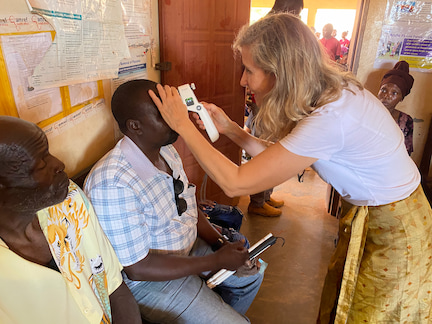
Ophthalmology campaigns

Incidence in 15,000 people

Mobile Clinic H Yambio South Sudan

Republic of Chad

0,6 Doctors/10,000 Inhabitants

Resource 8

Since 2018

1 health centre supported

Grants for laboratory training and equipment, nutrition unit and patient intervention in Spain

Incidence in 10,000 people

Image source: CC BY 2.0, Link

Equatorial Guinea

3,5 Doctors/10,000 Inhabitants

Resource 8

Since 2023

3 health centres supported

Telemedicine

Incidence in 1,000 people

Guinea Ecautorial context photo

Cameroon

1,24 Doctors/10,000 Inhabitants

Resource 8

Since 2007

71 health centres supported

Resource 10

Hospital management, electricity, water and sanitation infrastructure, health campaigns (child malnutrition, cervical cancer, cardiovascular risk, malaria, sickle cell disease), equipment (operating theatre, laboratory and physiotherapy equipment, X-ray machines, ultrasound machines, electrocardiograms, incubators, dental chairs, ambulances, etc.), training scholarships in Spain and Africa, telemedicine, intervention of 63 patients in Spain.

Incidence in 998,218 people

cameroon

Burundi

0,65 Doctors/10,000 Inhabitants

Resource 8

Since 2024

1 health centres supported

Reference anatomical pathology laboratory

Incidence in 78,031 people

Democratic Republic of Congo

3,7 Doctors/10,000 Inhabitants

Resource 8

Since 2017

7 health centres supported

Training in Spain, laboratory equipment, drinking water, photovoltaic energy and telemedicine

Incidence in 30,500 people

congo

Photo by Russell Watkins, Department for International Development

Burkina Faso

1 Doctor/10,000 Inhabitants

Resource 8

Since 2007

3 health centres supported

Intervention for cardiac patients in Spain, telemedicine

Incidence in 60,000 people

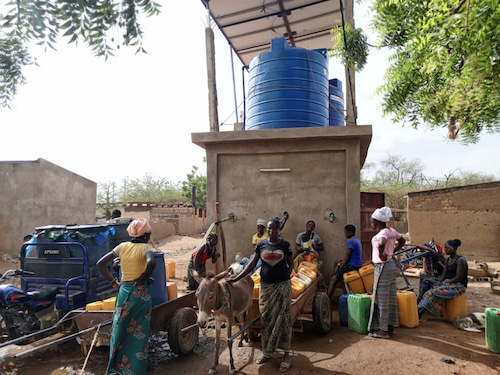
Pielá - water well - Burkina Faso

Côte d'Ivoire

1,6 Doctors/10,000 Inhabitants

Resource 8

Since 2017

23 health centres supported

Telemedicine, hospital management, maternal and child health, mental health, sickle cell disease, diabetes

Incidence in 148,000 people

côte d'ivoire context

Benin

0,62 Doctors/10,000 Inhabitants

Resource 8

Since 2018

2 health centres intervened

Maternity infrastructure, drinking water, energy, ultrasound equipment, management

Incidence in 20,850 people

Privacy Overview

This website uses cookies so that we can provide you with the best user experience possible. Cookie information is stored in your browser and performs functions such as recognising you when you return to our website and helping our team to understand which sections of the website you find most interesting and useful.