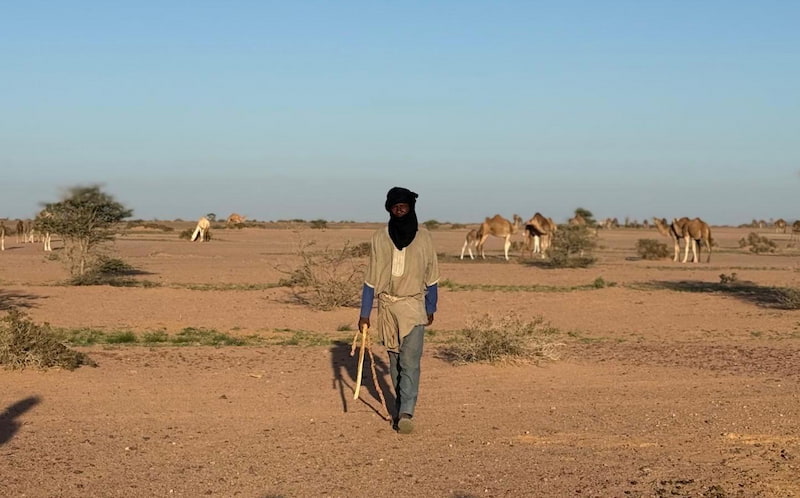


In many countries in sub-Saharan Africa, women continue to face enormous difficulties in accessing healthcare. Economic, educational, social, and geographic inequalities, as well as sociocultural contexts (roles and power relations in decision-making and access to resources such as food, land, and housing…) often mean that women have very little autonomy (not only financial) to access healthcare on their own, which also limits and delays their access to medical check-ups, diagnostic tests, and treatments, further exacerbating their vulnerability to preventable or treatable diseases.
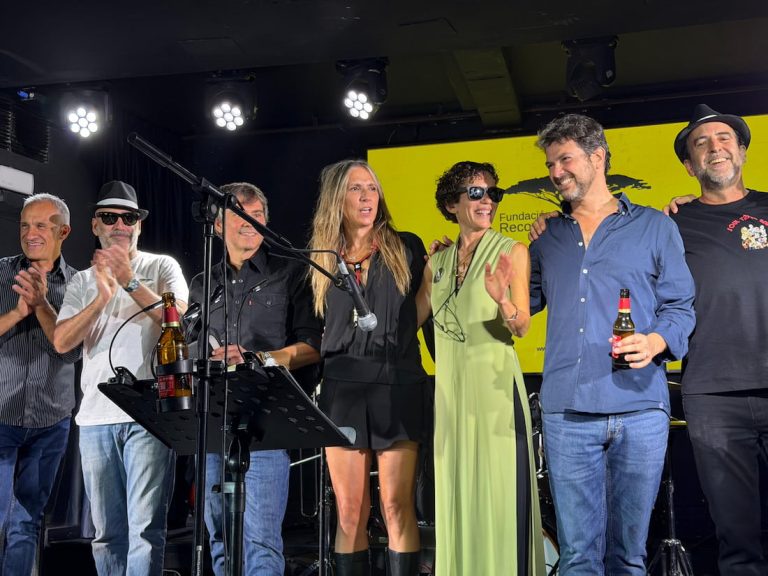
In this context, Fundación Recover, Hospitals for Africa, is working to guaranteeing the right to health for women and girls by strengthening health centers, equipping them with medical equipment, developing specific health campaigns for women, and promoting telemedicine. These interventions improve the quality of healthcare and facilitate access to dignified and affordable medical services for tens of thousands of women. Since 2016, nearly 32,000 women and girls have benefited from the health campaigns promoted by the organization.
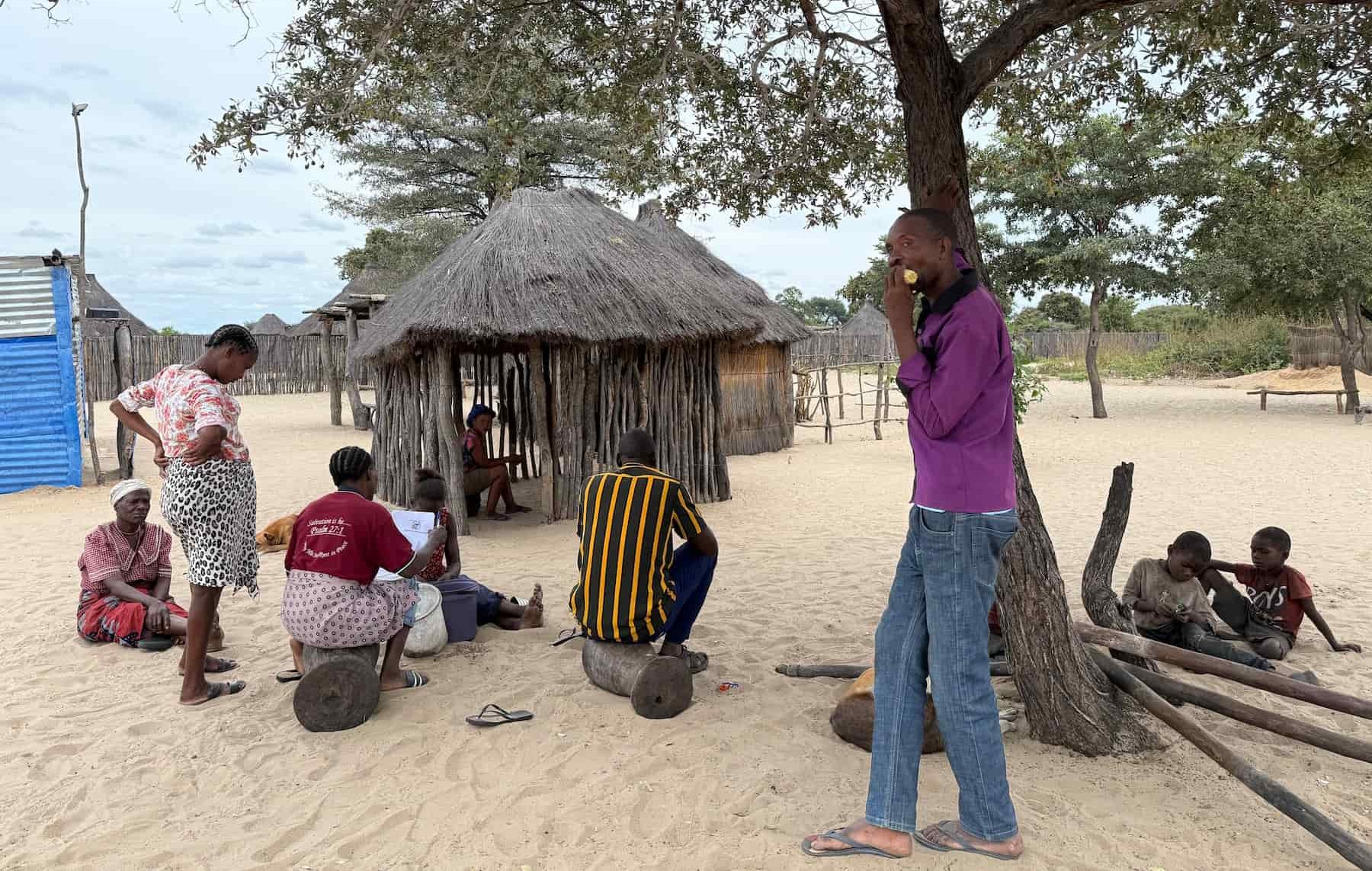
Access to healthcare during pregnancy is one of the areas where inequalities between more and less developed countries are most evident. In countries like Cameroon, In Benin or Ivory Coast, millions of women live the nine months of their pregnancy without a single medical checkup. In most cases, especially in rural areas and in the most disadvantaged peri-urban areas, the custom is to go to the health center only when complications arise during childbirth.

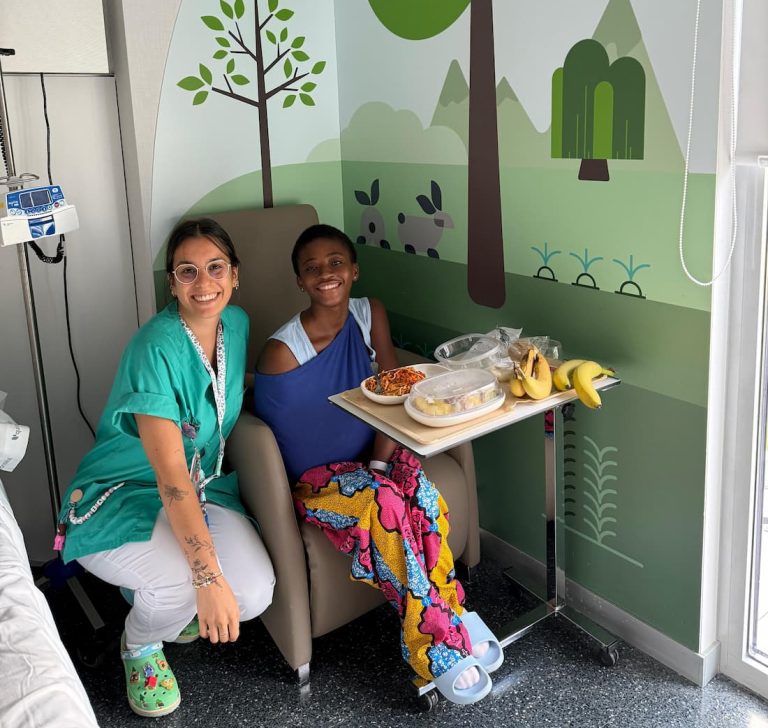
Through its maternal and child health programs, Fundación Recover facilitates access to prenatal consultations, ultrasound examinations and diagnostic tests, contributing to the early detection of complications and to the improvement of maternal and also neonatal health. Since 2016, more than 5,000 women Pregnant women received prenatal follow-up and access to essential medical tests (such as ultrasound examinations, blood tests, urine tests or malaria screening, HIV and other infectious diseases, some of which are sexually transmitted), as well as ensuring a safe delivery thanks to these programs.
Furthermore, the organization strengthens the maternity wards of the healthcare centers with which it collaborates by providing basic equipment such as delivery beds, ecographs, fetal monitors, gynecological lamps, oxygen networks for emergency and maternity wards, as well as neonatal equipment (incubators, radiant tables, electric syringes) improving the conditions in which women give birth, reducing the risks associated with childbirth and guaranteeing higher rates of neonatal survival.
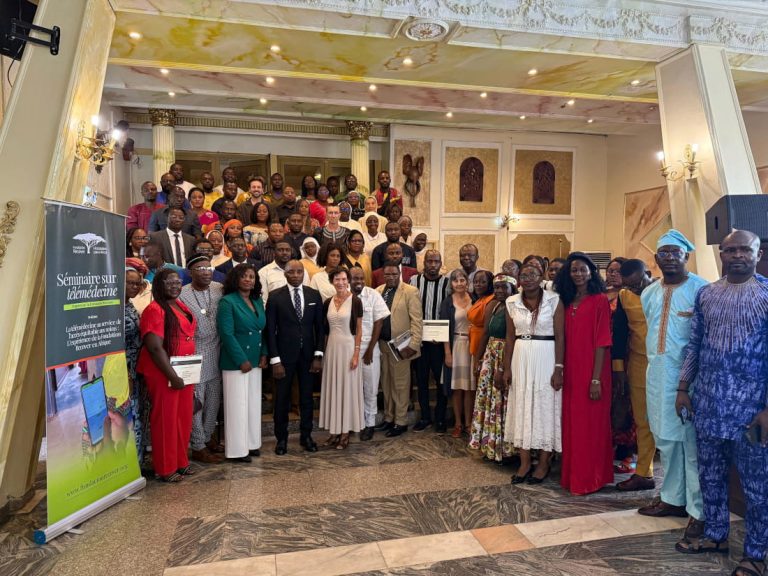
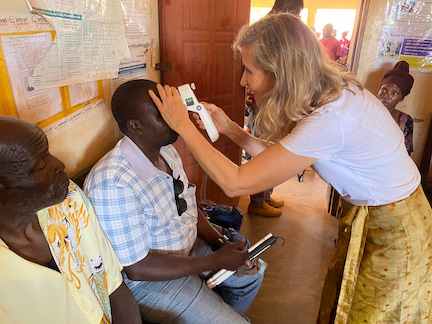
This work is complemented by medical campaigns carried out with Voluntary healthcare workers which collaborates with Recover, as well as with the use of telemedicine, which allows local healthcare professionals to consult clinical cases with specialists from Spain and other countries, improving diagnostic and treatment capabilities in contexts that lack resources and skilled medical staff, since most of the work is carried out by nursing or auxiliary staff.

The Recover Foundation has also promoted specific campaigns aimed at prevention and early detection of cervical cancer, one of the main causes of female mortality in sub-Saharan Africa.
Through these campaigns, the organization has raised awareness among almost 7,500 women on the prevention of cervical cancer and has facilitated access to gynecological check-ups and early detection tests in centers where these services were nonexistent or insufficient.
Mental health is a priority in the Fundación Recover strategy from 2024 onwards. In many of the contexts and countries where Fundación Recover works, people suffering from mental illnesses are stigmatized because it is an invisible issue there. There are very few psychiatrists, psychologists, and specialized centers. It is common for the distinction between neurological and mental illnesses, between chronic and transient illnesses, and between serious and mild illnesses not to be made. Sometimes, patients live their lives mixed up in common spaces in deplorable conditions. If a woman, for example, suffers from postpartum depression (something that is more socially normalized in more developed countries), there she may be labeled a “crazy” person for life, without being guaranteed that she will receive adequate diagnosis and treatment.

In 2025, in Ivory Coast, Fundación Recover, in partnership with the Mindful Change Foundation, a non-profit organization specializing in community mental health, has sensitized about 1,000 people about the importance of mental health. 4,000 women about mental health and emotional well-being, contributing to improving access to psychological support and reducing the stigma associated with mental health illnesses.
As Marta Marañón, Director General of Fundación Recover points out: “In many African countries, enormous inequalities persist that harm women and girls, especially in rural and more disadvantaged environments. For this reason, at Fundación Recover we are committed to applying an integral gender approach in all our projects and campaigns. It is not just about conducting health campaigns for women, or measuring the impact of our interventions on women and girls by disaggregating indicators by gender. It is about going further. Adapting each intervention to the schedules and needs of women, to their environment and circumstances, and involving men in prevention, awareness-raising, and the processes of change so that, in a sustainable way, we can generate positive changes in the lives of hundreds of thousands of women and girls, and contribute to reducing the obstacles that prevent their access to health on equal terms.”.