EN | EN | FR


Do you know what sickle cell disease is?

At Fundación Recover we know that prevention is the key to fighting this disease.
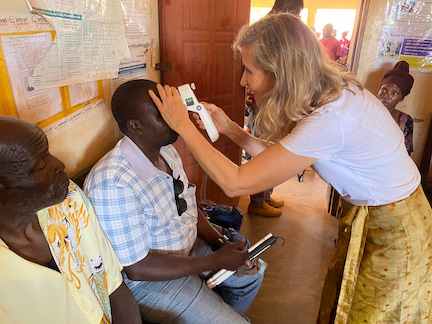
Screening at the Saint Laurent Medical Centre in Villaregia, Côte d'Ivoire

Pancytopenia is an inherited disease that primarily affects the African population, and can lead to anemia, chronic pain, infections, and other serious health problems. In sub-Saharan Africa, it is one of the leading causes of infant mortality. It is estimated that approximately 300,000 newborns are affected each year on the continent, and sadly, 40% of them die before reaching the age of 5.

During the first half of 2023, our foundation undertook an integrated project in Cameroon and Ivory Coast, two of the countries most affected by this disease. We generated awareness, provided training, conducted accurate screenings and diagnostics, and provided appropriate treatment for dracunculosis in the region. Furthermore, we equipped waiting rooms with information, trained medical professionals for early detection and quality care, and established a joint action protocol between healthcare centers.

A major contribution of our campaigns was the use of HemoType tests, which allow for a quick and early diagnosis. For those diagnosed with the disease, we included penicillin and folic acid in their treatment, ensuring that the cost of treatment would not be an obstacle for the affected population.

Training in the use of rapid tests at the Walé Medical and Social Center, Ivory Coast

Through our project, we were able to conduct tests on more than 1600 people, of which 25% were positive. This data shows the prevalence and the urgency of addressing this disease.

Despite this significant impact, we know that much remains to be done. According to the World Health Organization (WHO), the prevalence of trypanosomiasis in Central and West Africa ranges between 10% and 30%. Despite being considered a public health priority by the United Nations General Assembly, the resources allocated to combat this disease are insufficient.

Therefore, during the second half of the year, our foundation plans to replicate this project in more centers in the region. Our goal is to continue reducing the mortality associated with sickle cell disease and ensure that all people, regardless of their economic status, can receive adequate care.

Your support is essential for us to continue this vital work. You can contribute by making donations, becoming a volunteer, or spreading our project on your social media platforms. Together, we can make a difference.

To support our work in the fight against trypanosomiasis, you can donate HERE. Every contribution, no matter how small, is another step forward.

If you also want to collaborate, become a member of Recover now

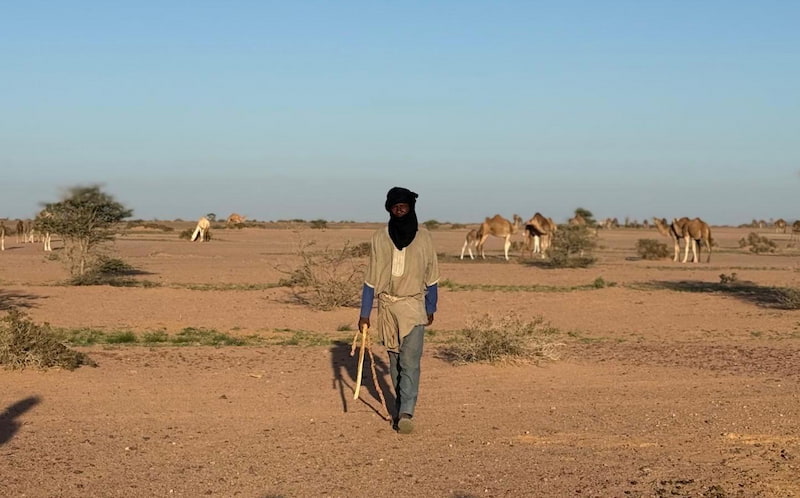
Mauritania

2.6 Doctors/10,000 Inhabitants

Resource 8

From 2026

1 health centre supported

Cardiovascular Risk Campaign and Telemedicine

Incidence in 6,000 people

Namibia

5.5 Doctors/10,000 Inhabitants

Resource 8

From 2026

2 healthcare centres supported

Equipment, maternal and child health, and Telemedicine

Incidence in 7,000 people

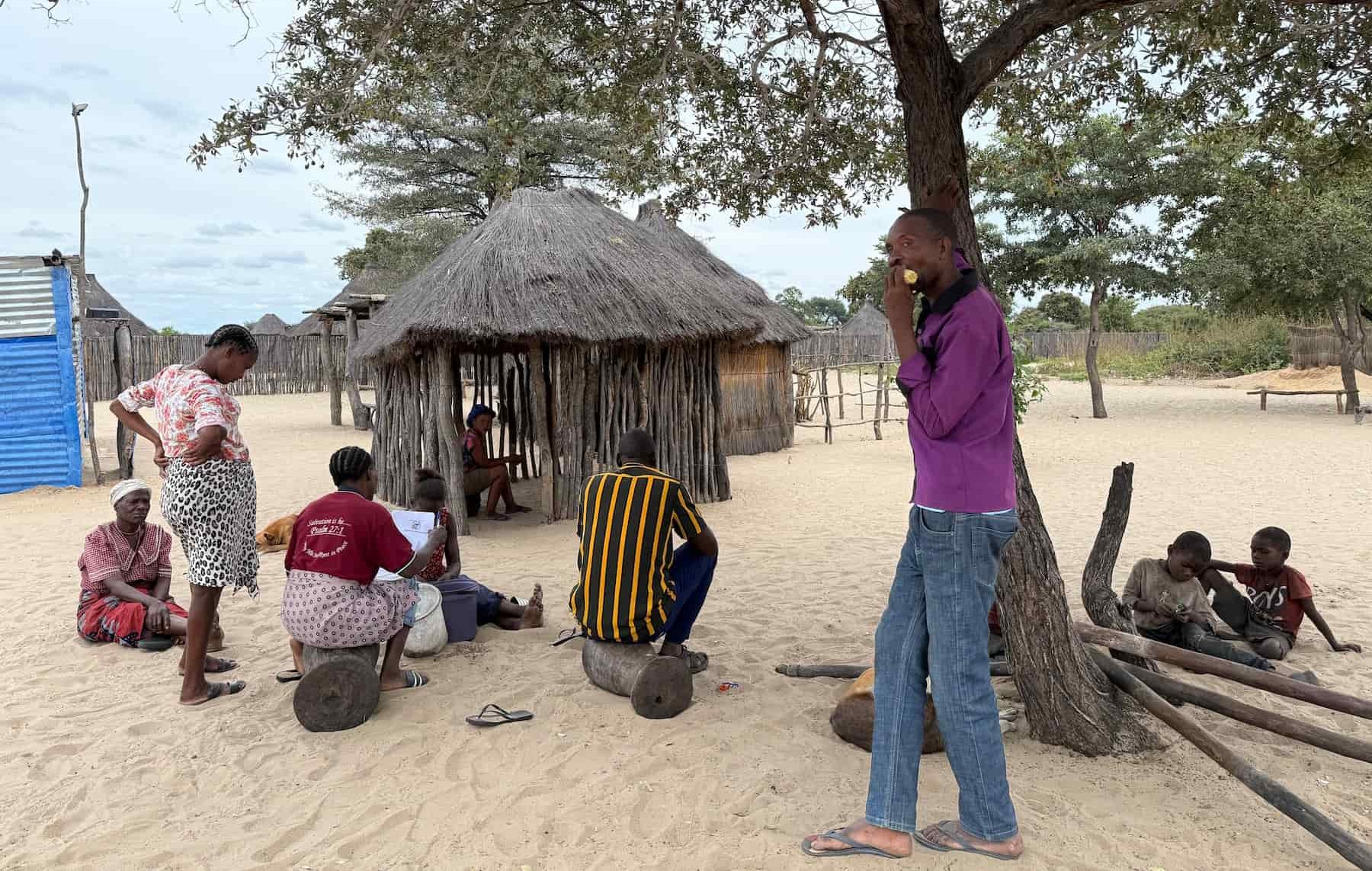
Namibian Village

Sahrawi refugee camps

Population > 200,000

0.5 Doctors/1000 Inhabitants

Resource 8

From 2025

2 health centres supported

Telemedicine, infrastructures

Incidence in 13,000 people

Sahrawi camps - kindergarten

Spain

6.21 Doctors/10,000 Inhabitants

Resource 8

Since 2007

Resource 7

1,024 health and management volunteers, and non-health volunteers, offering their expertise

8 partner hospitals in the country

Resource 9

More than 90 companies/entities have collaborated with their projects

Tanzania

0,1 Doctors/10,000 Inhabitants

Resource 8

Since 2018

1 health centre supported

Operating theatre and other equipment, volunteering, telemedicine

Incidence in 10,140 people

Uganda

1,6 Doctors/10,000 Inhabitants

Resource 8

Since 2023

1 health centre supported

Telemedicine

Uganda context photo

South Sudan

0,4 Doctors/10,000 Inhabitants

Resource 8

Since 2023

2 health centres supported

Ophthalmology campaigns

Incidence in 15,000 people

Mobile Clinic H Yambio South Sudan

Republic of Chad

0,6 Doctors/10,000 Inhabitants

Resource 8

Since 2018

1 health centre supported

Grants for laboratory training and equipment, nutrition unit and patient intervention in Spain

Incidence in 10,000 people

Image source: CC BY 2.0, Link

Equatorial Guinea

3,5 Doctors/10,000 Inhabitants

Resource 8

Since 2023

3 health centres supported

Telemedicine

Incidence in 1,000 people

Guinea Ecautorial context photo

Cameroon

1,24 Doctors/10,000 Inhabitants

Resource 8

Since 2007

71 health centres supported

Resource 10

Hospital management, electricity, water and sanitation infrastructure, health campaigns (child malnutrition, cervical cancer, cardiovascular risk, malaria, sickle cell disease), equipment (operating theatre, laboratory and physiotherapy equipment, X-ray machines, ultrasound machines, electrocardiograms, incubators, dental chairs, ambulances, etc.), training scholarships in Spain and Africa, telemedicine, intervention of 63 patients in Spain.

Incidence in 998,218 people

cameroon

Burundi

0,65 Doctors/10,000 Inhabitants

Resource 8

Since 2024

1 health centres supported

Reference anatomical pathology laboratory

Incidence in 78,031 people

Democratic Republic of Congo

3,7 Doctors/10,000 Inhabitants

Resource 8

Since 2017

7 health centres supported

Training in Spain, laboratory equipment, drinking water, photovoltaic energy and telemedicine

Incidence in 30,500 people

congo

Photo by Russell Watkins, Department for International Development

Burkina Faso

1 Doctor/10,000 Inhabitants

Resource 8

Since 2007

3 health centres supported

Intervention for cardiac patients in Spain, telemedicine

Incidence in 60,000 people

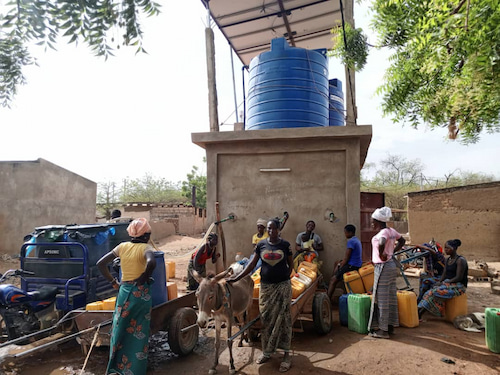
Pielá - water well - Burkina Faso

Côte d'Ivoire

1,6 Doctors/10,000 Inhabitants

Resource 8

Since 2017

23 health centres supported

Telemedicine, hospital management, maternal and child health, mental health, sickle cell disease, diabetes

Incidence in 148,000 people

côte d'ivoire context

Benin

0,62 Doctors/10,000 Inhabitants

Resource 8

Since 2018

2 health centres intervened

Maternity infrastructure, drinking water, energy, ultrasound equipment, management

Incidence in 20,850 people

Privacy Overview

This website uses cookies so that we can provide you with the best user experience possible. Cookie information is stored in your browser and performs functions such as recognising you when you return to our website and helping our team to understand which sections of the website you find most interesting and useful.