EN | EN | FR


We launched the Change - m campaign in Cameroon to improve the quality of life of people at risk of cardiovascular disease.

This initiative is made possible by the work of volunteer medical staff specialised in internal medicine, cardiology, family medicine and laboratory.
Data collection in the cardiovascular risk prevention campaign

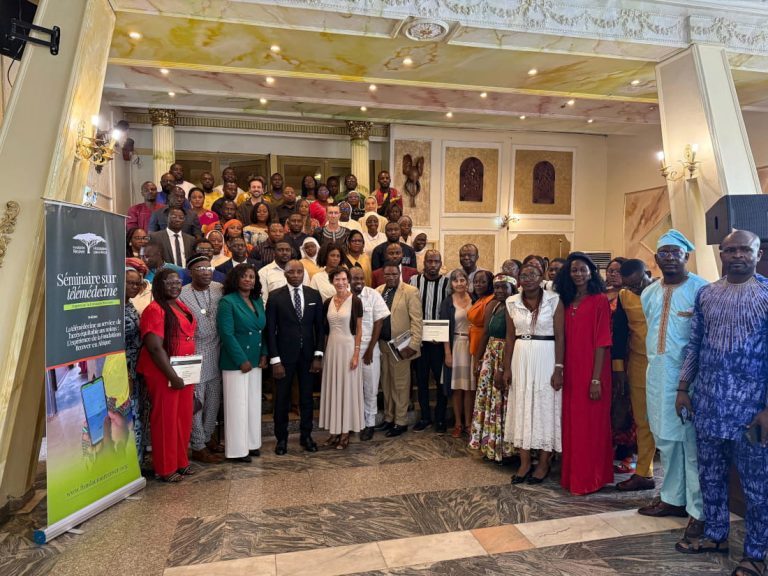
From Fundación Recover, Hospitales para África, we are launching the health campaign Change-m, Cameroon, with which we want to reach more than a thousand people over the course of a year. The project focuses on the prevention, early diagnosis and treatment of cardiovascular diseases in three health centres in the country: the Louis Kremp Health Centre, the Sainte Raphaëlle Marie Medical Centre and the Monavebe Health Centre.

This initiative is made possible thanks to the work of volunteer medical staff specialised in internal medicine, cardiology, family medicine and laboratory work. This team of volunteers, led by Dr Miguel Ángel Sauras, has developed a software programme that will enable technical staff in Cameroon to carry out case assessments. Furthermore, this technological development will facilitate recommendations on diet and necessary activity, as well as initial pharmacological treatment.

After completing a health and lifestyle background questionnaire, the technicians input the data and the tool provides a risk index for developing cardiovascular disease. This will enable even those technicians with more limited knowledge of cardiovascular diseases to handle these cases effectively.

Given the high prevalence of high blood pressure in Cameroon, which reached 30.9% in 2019, the government has made it a priority to reduce premature mortality from preventable diseases such as diabetes and high blood pressure to 10%. For this reason, high blood pressure and type 2 diabetes will be the two main cardiovascular diseases that we will address through Change-m.

With this project, Fundación Recover is once again focusing on prevention as one of the main pillars of its work in Sub-Saharan Africa.

The importance of prevention
“The best experience has been seeing once again how healthcare staff and facility managers are extremely open and receptive to new ideas and programmes to improve the lives of their population. Being in Cameroon has changed my perspective on health education. In Spain, it has long been known and understood that prevention saves lives and, furthermore, reduces costs. In some African countries, the population and health services are more focused on a reactive model, and it is very difficult to change that inertia, especially among the population,” explains Dr Javier Sánchez Ayuso.

Recover Foundation would like to express special thanks to Rovi Laboratories, to the Spanish Society of Internal Medicine and to Hyperion for making this campaign possible.

If you also want to collaborate, become a member of Recover now
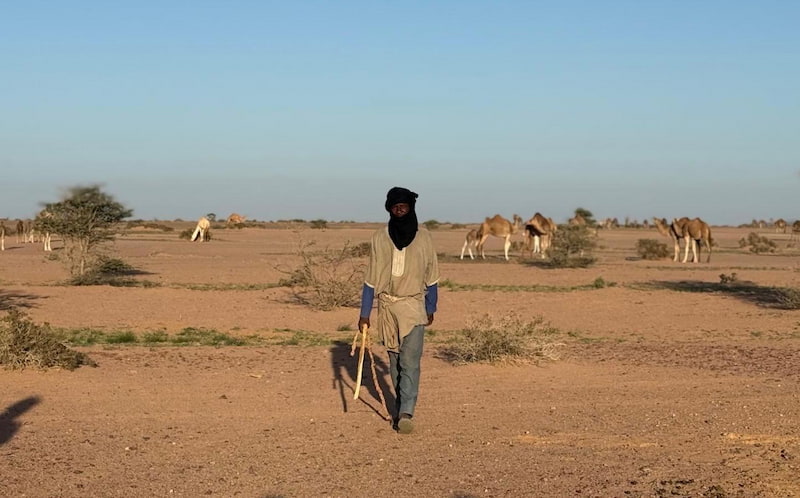
Mauritania

2.6 Doctors/10,000 Inhabitants

Resource 8

From 2026

1 health centre supported

Cardiovascular Risk Campaign and Telemedicine

Incidence in 6,000 people

Namibia

5.5 Doctors/10,000 Inhabitants

Resource 8

From 2026

2 healthcare centres supported

Equipment, maternal and child health, and Telemedicine

Incidence in 7,000 people

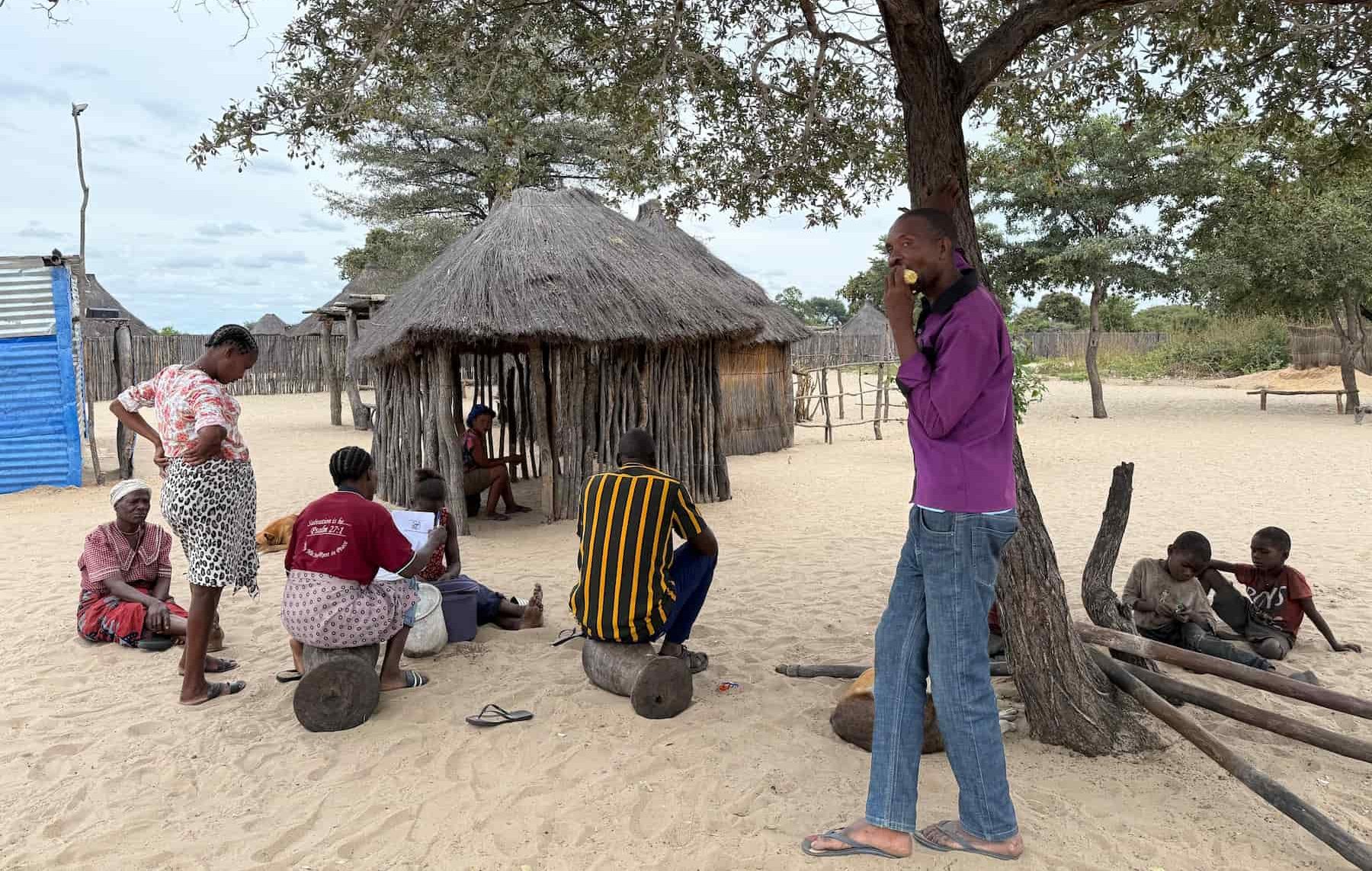
Namibian Village

Sahrawi refugee camps

Population > 200,000

0.5 Doctors/1000 Inhabitants

Resource 8

From 2025

2 health centres supported

Telemedicine, infrastructures

Incidence in 13,000 people

Sahrawi camps - kindergarten
Note this date

We celebrate our Health for Africa solidarity concert In Madrid this 18th September!

Spain

6.21 Doctors/10,000 Inhabitants

Resource 8

Since 2007

Resource 7

1,024 health and management volunteers, and non-health volunteers, offering their expertise

8 partner hospitals in the country

Resource 9

More than 90 companies/entities have collaborated with their projects

Tanzania

0,1 Doctors/10,000 Inhabitants

Resource 8

Since 2018

1 health centre supported

Operating theatre and other equipment, volunteering, telemedicine

Incidence in 10,140 people

Uganda

1,6 Doctors/10,000 Inhabitants

Resource 8

Since 2023

1 health centre supported

Telemedicine

Uganda context photo

South Sudan

0,4 Doctors/10,000 Inhabitants

Resource 8

Since 2023

2 health centres supported

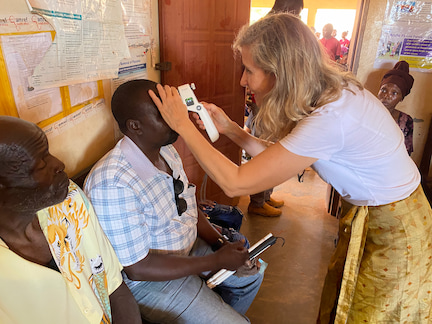
Ophthalmology campaigns

Incidence in 15,000 people

Mobile Clinic H Yambio South Sudan

Republic of Chad

0,6 Doctors/10,000 Inhabitants

Resource 8

Since 2018

1 health centre supported

Grants for laboratory training and equipment, nutrition unit and patient intervention in Spain

Incidence in 10,000 people

Image source: CC BY 2.0, Link

Equatorial Guinea

3,5 Doctors/10,000 Inhabitants

Resource 8

Since 2023

3 health centres supported

Telemedicine

Incidence in 1,000 people

Guinea Ecautorial context photo

Cameroon

1,24 Doctors/10,000 Inhabitants

Resource 8

Since 2007

71 health centres supported

Resource 10

Hospital management, electricity, water and sanitation infrastructure, health campaigns (child malnutrition, cervical cancer, cardiovascular risk, malaria, sickle cell disease), equipment (operating theatre, laboratory and physiotherapy equipment, X-ray machines, ultrasound machines, electrocardiograms, incubators, dental chairs, ambulances, etc.), training scholarships in Spain and Africa, telemedicine, intervention of 63 patients in Spain.

Incidence in 998,218 people

cameroon

Burundi

0,65 Doctors/10,000 Inhabitants

Resource 8

Since 2024

1 health centres supported

Reference anatomical pathology laboratory

Incidence in 78,031 people

Democratic Republic of Congo

3,7 Doctors/10,000 Inhabitants

Resource 8

Since 2017

7 health centres supported

Training in Spain, laboratory equipment, drinking water, photovoltaic energy and telemedicine

Incidence in 30,500 people

congo

Photo by Russell Watkins, Department for International Development

Burkina Faso

1 Doctor/10,000 Inhabitants

Resource 8

Since 2007

3 health centres supported

Intervention for cardiac patients in Spain, telemedicine

Incidence in 60,000 people

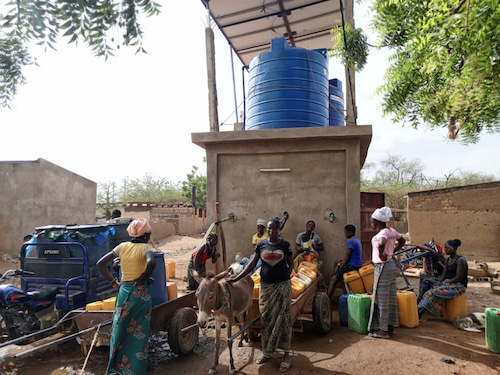
Pielá - water well - Burkina Faso

Côte d'Ivoire

1,6 Doctors/10,000 Inhabitants

Resource 8

Since 2017

23 health centres supported

Telemedicine, hospital management, maternal and child health, mental health, sickle cell disease, diabetes

Incidence in 148,000 people

côte d'ivoire context

Benin

0,62 Doctors/10,000 Inhabitants

Resource 8

Since 2018

2 health centres intervened

Maternity infrastructure, drinking water, energy, ultrasound equipment, management

Incidence in 20,850 people

Privacy Overview

This website uses cookies so that we can provide you with the best user experience possible. Cookie information is stored in your browser and performs functions such as recognising you when you return to our website and helping our team to understand which sections of the website you find most interesting and useful.