EN | EN | FR


Report on child malnutrition and Recover Foundation's work in Cameroon

On World Africa Day, the Recover Foundation presents a report on the situation of child malnutrition on the African continent and the good results of its NUTRI-m programme, which has been running for three years and has reached almost 4,000,000 children.
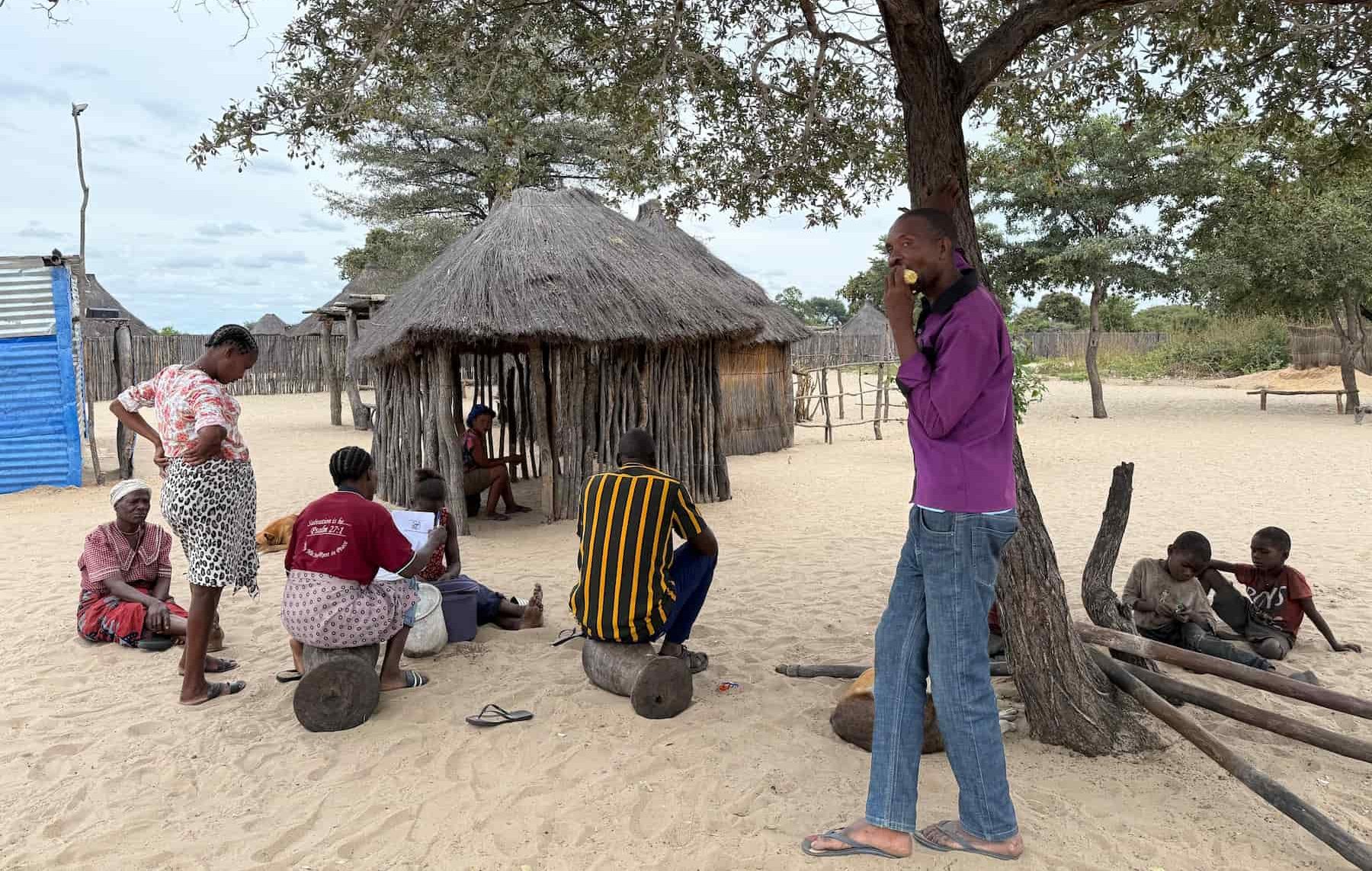
Marcelle, FR worker, during a Nutri-m awareness-raising workshop in a rural community.

"Addressing child undernutrition is paving the way to a world where we can ensure peace and security, good health and well-being for all of society. Addressing child undernutrition is to ensure that the earth will always have people. Addressing child undernutrition is about demonstrating that people remain at the centre of all actions. Addressing child malnutrition is an expression of our humanity. Tackling child malnutrition is about ensuring a better future for African society as a whole. But are we all aware of this?

This paragraph concludes the report on child malnutrition presented by the Recover Foundation, Hospitals for Africa, coinciding with World Africa Day on 25 May. In a context in which three million children die every year in Africa due to malnutrition, the Recover Foundation wishes to highlight the essential role played by programmes such as NUTRI-.m to improve the lives of thousands of people every year in the African continent.

NUTRI-m is the project that the Recover Foundation has been running since 2021 to help alleviate the high rates of child malnutrition in Sub-Saharan Africa. In countries such as Cameroon, where the NUTRI-malarming figures have been found in some communities in the West and East, with data that far exceeds the official average for the country (see detail at Data from the report).

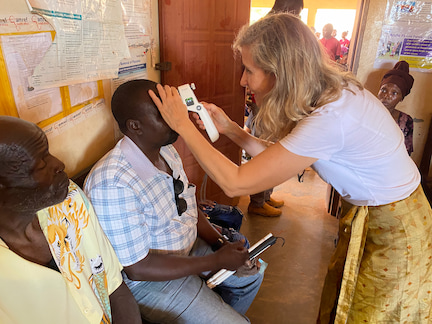
Fundación Recover's programme is distinguished by its comprehensive approach, combining medical treatment, nutritional reinforcement and family training. In addition, through visits to remote communities, the NUTRI-m reaches the most vulnerable areas, raising awareness among families and providing medical and nutritional care.

NUTRI-m also has an innovative approach: it uses digital tools to improve the management of malnutrition. Children's data is recorded in a software programme based on World Health Organisation indicators, which helps to monitor and manage children's nutritional status. In addition, SMS messages are sent to parents to remind them of appointments and provide advice on child hygiene and nutrition.

The Recover Foundation also organises workshops for families, training them in the early detection of malnutrition and in improving children's diets with local products. This participatory and educational approach is fundamental to ensure the sustainability of the results obtained.

Data from the report

Programme coverage:

  • Since its launch in 2021, the NUTRI-m programme has registered nearly 4,000 children in 11 health centres in Cameroon and Côte d'Ivoire.

Initial nutritional status:

  • Of the total number of children registered, Fundación Recover found that 38% were malnourished: 10% were acutely malnourished and 28% were chronically malnourished.
  • In some of the most disadvantaged rural communities in the East and West, where Fundación Recover works, alarming rates of malnutrition have been found: up to 48% in the West and 56% in the East. This figure far exceeds the national average, which is 32% for the country and 36% in the extreme north.

Notable improvements in health:

Despite the difficulties of continuous monitoring of children, because parents do not systematically attend check-ups, the project has achieved a remarkable improvement in this population:

  • More than half of the children in follow-up (i.e. those who had at least a second check-up) improved their nutritional status thanks to NUTRI-m.
  • 62% of the children improved their weight index, 55% their weight/height index, 60% their height index and 54% their body mass index.

A significant improvement in household dietary diversity has also been detected through health education provided to parents in awareness-raising workshops and by SMS messages.

Here you can access the full report. And you can also find it here in French.
If you also want to collaborate, become a member of Recover now

en_GBEN

Sahrawi refugee camps

Population > 200,000

0.5 Doctors/1000 Inhabitants

Resource 8

From 2025

2 health centres supported

Telemedicine, infrastructures

Incidence in 13,000 people

Sahrawi camps - kindergarten

Spain

6.21 Doctors/10,000 Inhabitants

Resource 8

Since 2007

Resource 7

1,024 health and management volunteers, and non-health volunteers, offering their expertise

8 partner hospitals in the country

Resource 9

More than 90 companies/entities have collaborated with their projects

Tanzania

0,1 Doctors/10,000 Inhabitants

Resource 8

Since 2018

1 health centre supported

Operating theatre and other equipment, volunteering, telemedicine

Incidence in 10,140 people

Uganda

1,6 Doctors/10,000 Inhabitants

Resource 8

Since 2023

1 health centre supported

Telemedicine

Uganda context photo

South Sudan

0,4 Doctors/10,000 Inhabitants

Resource 8

Since 2023

2 health centres supported

Ophthalmology campaigns

Incidence in 15,000 people

Mobile Clinic H Yambio South Sudan

Republic of Chad

0,6 Doctors/10,000 Inhabitants

Resource 8

Since 2018

1 health centre supported

Grants for laboratory training and equipment, nutrition unit and patient intervention in Spain

Incidence in 10,000 people

Image source: CC BY 2.0, Link

Equatorial Guinea

3,5 Doctors/10,000 Inhabitants

Resource 8

Since 2023

3 health centres supported

Telemedicine

Incidence in 1,000 people

Guinea Ecautorial context photo

Cameroon

1,24 Doctors/10,000 Inhabitants

Resource 8

Since 2007

71 health centres supported

Resource 10

Hospital management, electricity, water and sanitation infrastructure, health campaigns (child malnutrition, cervical cancer, cardiovascular risk, malaria, sickle cell disease), equipment (operating theatre, laboratory and physiotherapy equipment, X-ray machines, ultrasound machines, electrocardiograms, incubators, dental chairs, ambulances, etc.), training scholarships in Spain and Africa, telemedicine, intervention of 63 patients in Spain.

Incidence in 998,218 people

cameroon

Burundi

0,65 Doctors/10,000 Inhabitants

Resource 8

Since 2024

1 health centres supported

Reference anatomical pathology laboratory

Incidence in 78,031 people

Democratic Republic of Congo

3,7 Doctors/10,000 Inhabitants

Resource 8

Since 2017

7 health centres supported

Training in Spain, laboratory equipment, drinking water, photovoltaic energy and telemedicine

Incidence in 30,500 people

congo

Photo by Russell Watkins, Department for International Development

Burkina Faso

1 Doctor/10,000 Inhabitants

Resource 8

Since 2007

3 health centres supported

Intervention for cardiac patients in Spain, telemedicine

Incidence in 60,000 people

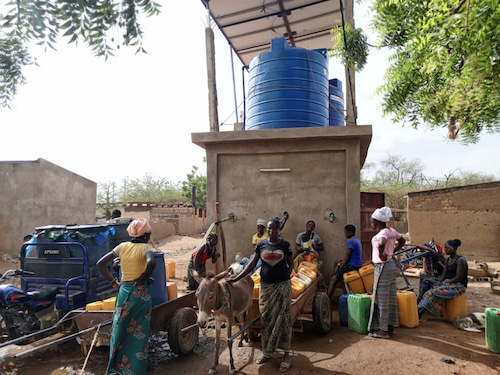
Pielá - water well - Burkina Faso

Côte d'Ivoire

1,6 Doctors/10,000 Inhabitants

Resource 8

Since 2017

23 health centres supported

Telemedicine, hospital management, maternal and child health, mental health, sickle cell disease, diabetes

Incidence in 148,000 people

côte d'ivoire context

Benin

0,62 Doctors/10,000 Inhabitants

Resource 8

Since 2018

2 health centres intervened

Maternity infrastructure, drinking water, energy, ultrasound equipment, management

Incidence in 20,850 people

Privacy Overview

This website uses cookies so that we can provide you with the best user experience possible. Cookie information is stored in your browser and performs functions such as recognising you when you return to our website and helping our team to understand which sections of the website you find most interesting and useful.