EN | EN | FR


The Recover Foundation brings the challenges of global health to the participants of Madrid Xplora 2026.

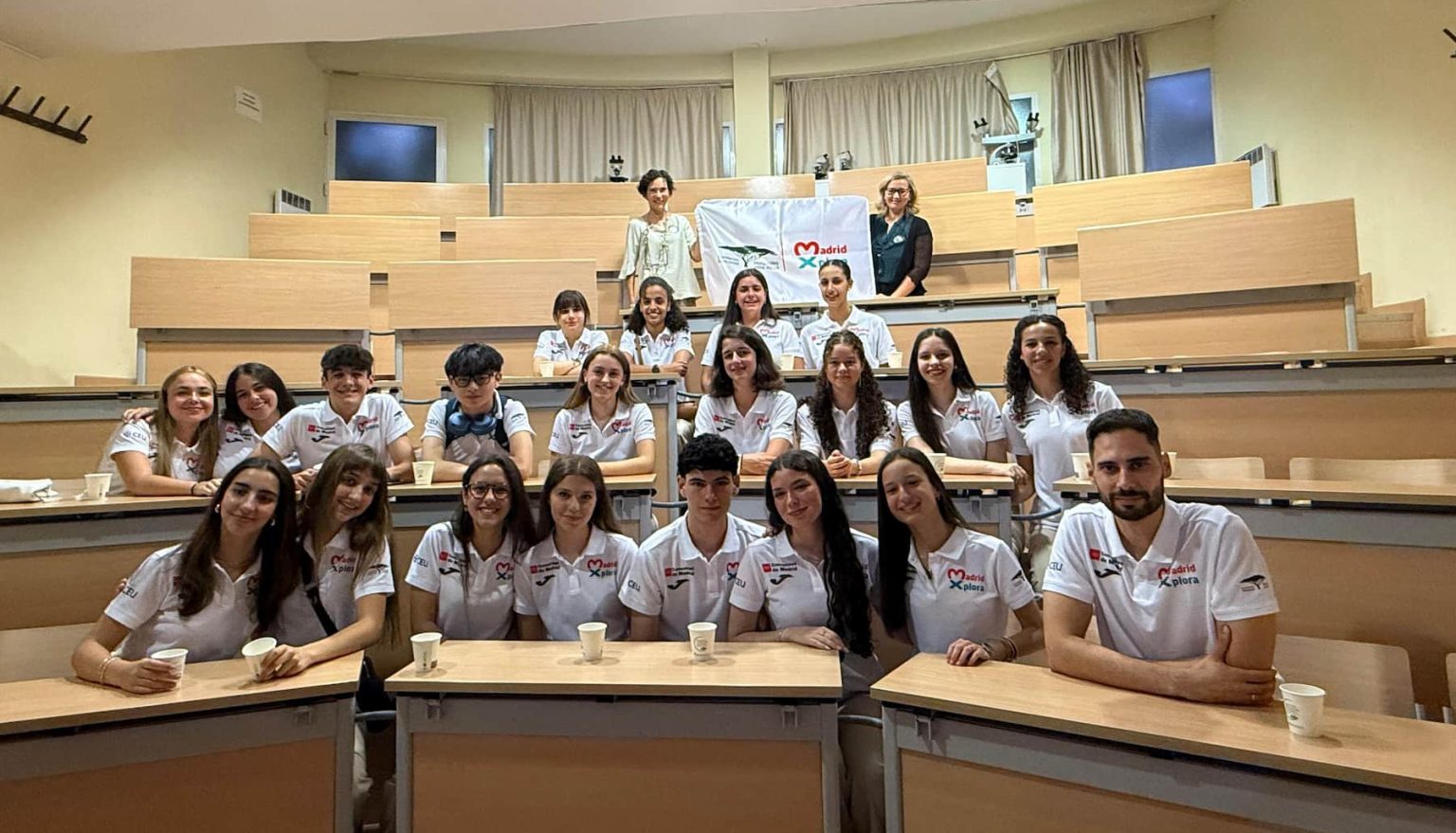
Recover's director, Marta Marañón, met at the Fundación Jiménez Díaz with the 20 young people selected as part of the preparation prior to the trip to Egypt.

Getting to know other cultures, facing new realities and discovering the global challenges that mark the lives of millions of people are part of the experience that the young people selected to participate in Madrid Xplora 2026 will have. In this journey, Fundación Recover, Hospitals for Africa joins the program as an institutional partner, contributing to making the program a success. Participants understand the importance of health as a driver of development and solidarity.

Madrid Xplora is an educational and experiential initiative promoted by Trex Exploring in collaboration with the Community of Madrid, which rewards academic effort and social commitment 20 young people from Madrid between the ages of 16 and 17. The 2026 edition will take participants to Egypt, where they will live an experience that combines culture, sport, adventure, and solidarity, with the aim of broadening their perspective on the world and fostering values such as teamwork, personal growth, and commitment to society.
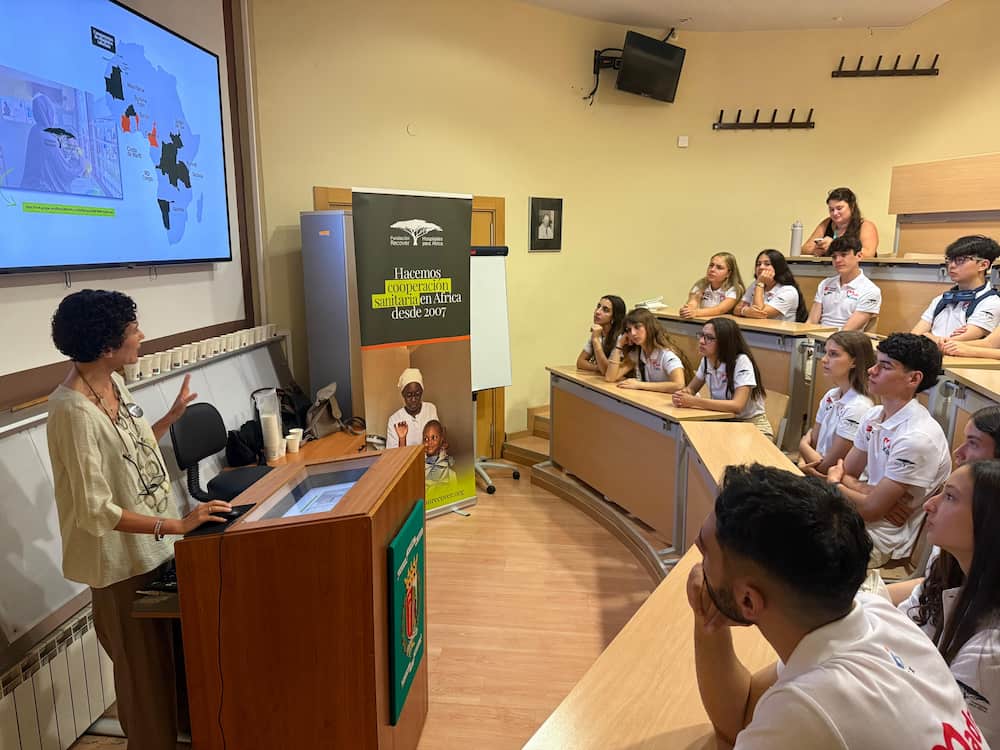
As part of the preparation for the trip, the general director of Fundación Recover, Marta Marañón, held a meeting with the 20 young people selected to introduce them to the project. Main global health challenges and inequalities that access to healthcare still exists in many African countries. During the session held at the Jiménez Díaz Foundation, participants were able to learn about the reality experienced by millions of people on the continent, as well as the work carried out by the foundation to strengthening health systems, support healthcare professionals and improve care for the most vulnerable communities.

For Fundación Recover, participating in Madrid Xplora represents an opportunity to: bringing new generations closer together to the challenges related to the Global health and health cooperation. Through this collaboration, the organization seeks to fostering a critical and committed perspective with inequalities in access to health care, while showing how strengthening health systems contributes to improving people's lives and the development of communities.
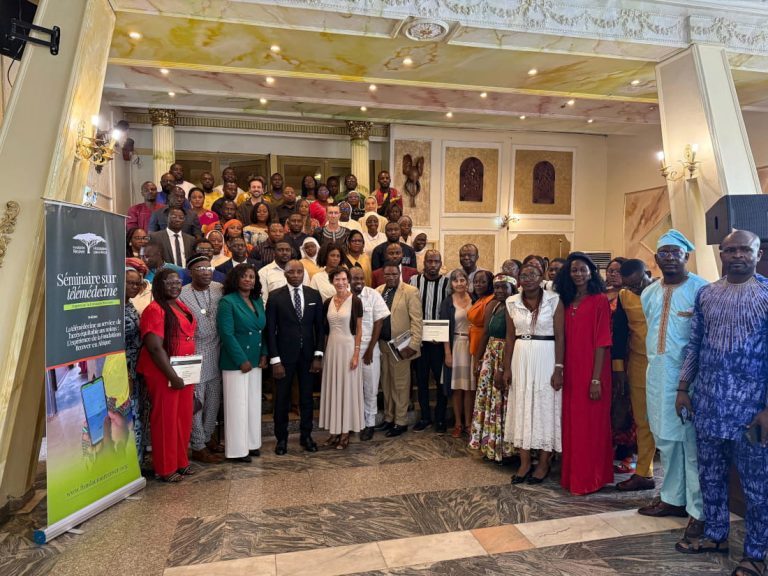

If you also want to collaborate, become a member of Recover now

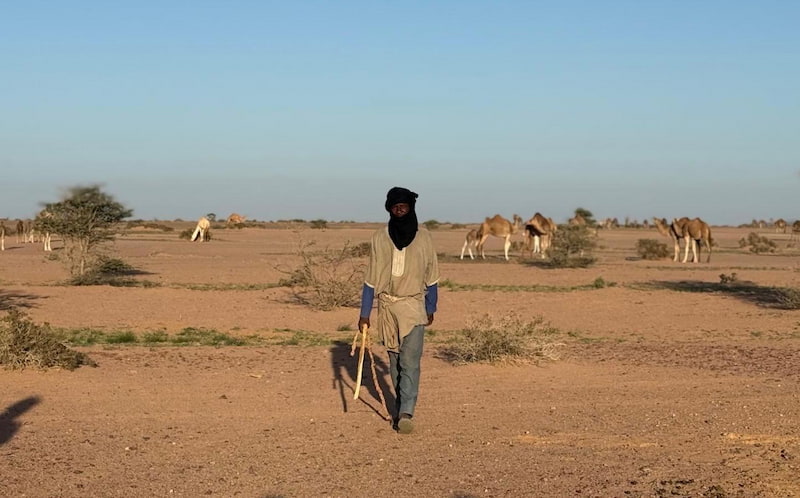
Mauritania

2.6 Doctors/10,000 Inhabitants

Resource 8

From 2026

1 health centre supported

Cardiovascular Risk Campaign and Telemedicine

Incidence in 6,000 people

Namibia

5.5 Doctors/10,000 Inhabitants

Resource 8

From 2026

2 healthcare centres supported

Equipment, maternal and child health, and Telemedicine

Incidence in 7,000 people

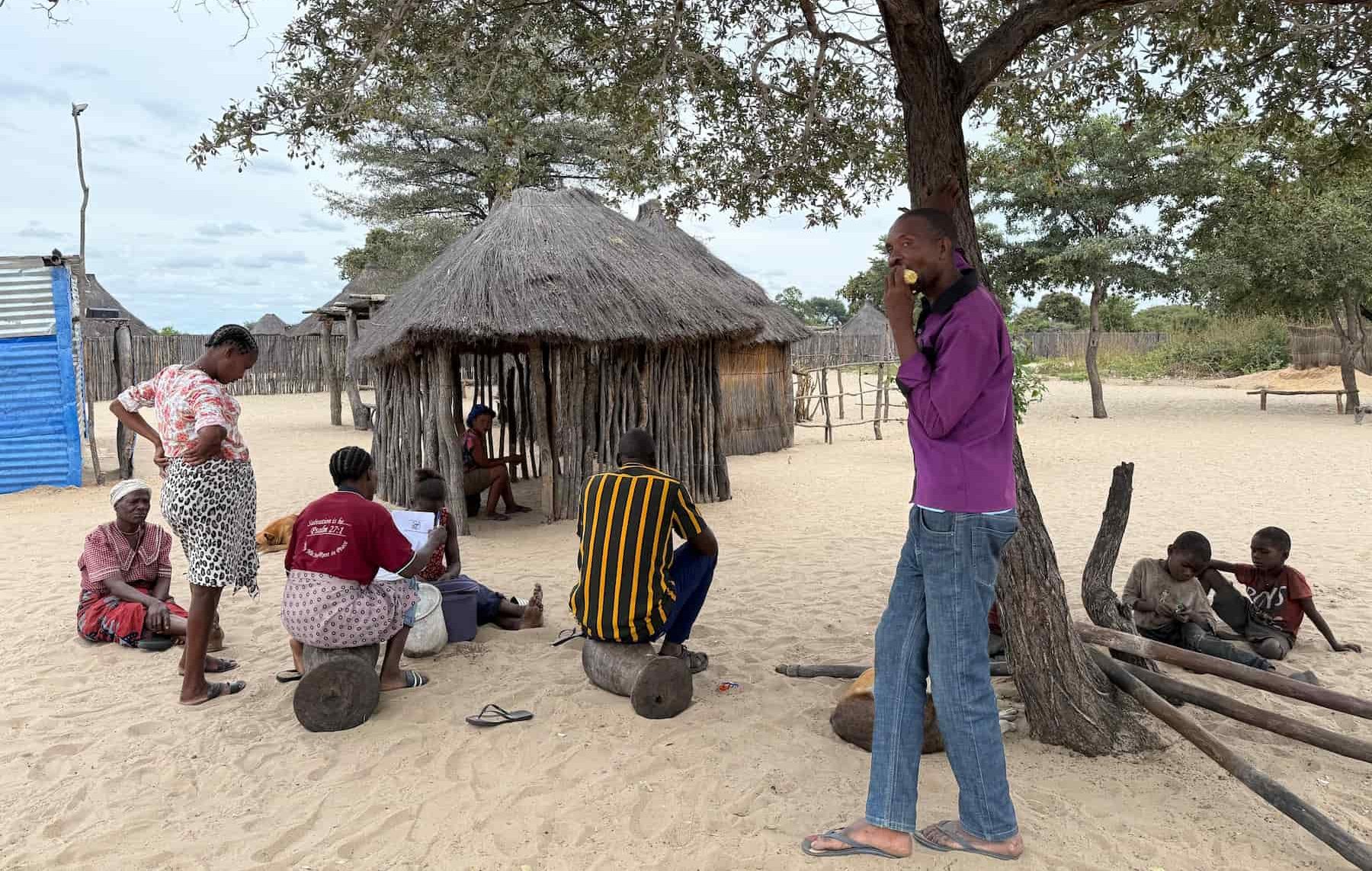
Namibian Village

Sahrawi refugee camps

Population > 200,000

0.5 Doctors/1000 Inhabitants

Resource 8

From 2025

2 health centres supported

Telemedicine, infrastructures

Incidence in 13,000 people

Sahrawi camps - kindergarten

Spain

6.21 Doctors/10,000 Inhabitants

Resource 8

Since 2007

Resource 7

1,024 health and management volunteers, and non-health volunteers, offering their expertise

8 partner hospitals in the country

Resource 9

More than 90 companies/entities have collaborated with their projects

Tanzania

0,1 Doctors/10,000 Inhabitants

Resource 8

Since 2018

1 health centre supported

Operating theatre and other equipment, volunteering, telemedicine

Incidence in 10,140 people

Uganda

1,6 Doctors/10,000 Inhabitants

Resource 8

Since 2023

1 health centre supported

Telemedicine

Uganda context photo

South Sudan

0,4 Doctors/10,000 Inhabitants

Resource 8

Since 2023

2 health centres supported

Ophthalmology campaigns

Incidence in 15,000 people

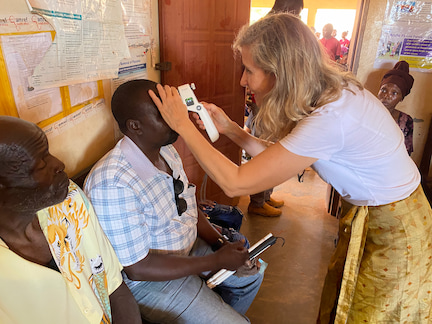
Mobile Clinic H Yambio South Sudan

Republic of Chad

0,6 Doctors/10,000 Inhabitants

Resource 8

Since 2018

1 health centre supported

Grants for laboratory training and equipment, nutrition unit and patient intervention in Spain

Incidence in 10,000 people

Image source: CC BY 2.0, Link

Equatorial Guinea

3,5 Doctors/10,000 Inhabitants

Resource 8

Since 2023

3 health centres supported

Telemedicine

Incidence in 1,000 people

Guinea Ecautorial context photo

Cameroon

1,24 Doctors/10,000 Inhabitants

Resource 8

Since 2007

71 health centres supported

Resource 10

Hospital management, electricity, water and sanitation infrastructure, health campaigns (child malnutrition, cervical cancer, cardiovascular risk, malaria, sickle cell disease), equipment (operating theatre, laboratory and physiotherapy equipment, X-ray machines, ultrasound machines, electrocardiograms, incubators, dental chairs, ambulances, etc.), training scholarships in Spain and Africa, telemedicine, intervention of 63 patients in Spain.

Incidence in 998,218 people

cameroon

Burundi

0,65 Doctors/10,000 Inhabitants

Resource 8

Since 2024

1 health centres supported

Reference anatomical pathology laboratory

Incidence in 78,031 people

Democratic Republic of Congo

3,7 Doctors/10,000 Inhabitants

Resource 8

Since 2017

7 health centres supported

Training in Spain, laboratory equipment, drinking water, photovoltaic energy and telemedicine

Incidence in 30,500 people

congo

Photo by Russell Watkins, Department for International Development

Burkina Faso

1 Doctor/10,000 Inhabitants

Resource 8

Since 2007

3 health centres supported

Intervention for cardiac patients in Spain, telemedicine

Incidence in 60,000 people

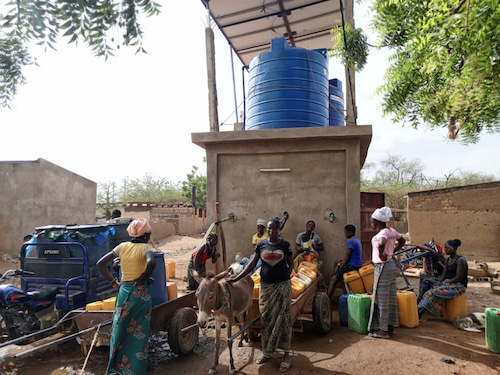
Pielá - water well - Burkina Faso

Côte d'Ivoire

1,6 Doctors/10,000 Inhabitants

Resource 8

Since 2017

23 health centres supported

Telemedicine, hospital management, maternal and child health, mental health, sickle cell disease, diabetes

Incidence in 148,000 people

côte d'ivoire context

Benin

0,62 Doctors/10,000 Inhabitants

Resource 8

Since 2018

2 health centres intervened

Maternity infrastructure, drinking water, energy, ultrasound equipment, management

Incidence in 20,850 people

Privacy Overview

This website uses cookies so that we can provide you with the best user experience possible. Cookie information is stored in your browser and performs functions such as recognising you when you return to our website and helping our team to understand which sections of the website you find most interesting and useful.