EN | EN | FR


A journey of learning and support, the experience of two physiotherapists in Cameroon.

"You learn more from the cultural immersion of living with your patients, sharing meals with colleagues and enjoying the moments of friendship in the face of all the cultural differences."

In the field of global health, knowledge exchange and intercultural collaboration are vital for sustainable development. MAría Laínez Martí and Ana Belén Hernández Navarro, dedicated physiotherapists, share their testimony with us about the experience they have just lived as volunteers for the Recover Foundation in Cameroon.

For three weeks, María and Ana Belén have experienced the intensity and cultural diversity of central and southern Cameroon, getting involved in local life and in the development of physiotherapy projects. Their daily work involved the running workshops, therapeutic sessions and training, and with that they sought to inspire patients and colleagues to see physiotherapy as a means of hope and recovery.

“When you put on your patients” glasses, you feel that spark of hope and energy placed in the treatment you are about to perform, hoping that your session will return, for example, a malunited fracture to a new joint, a child who doesn't walk to a child who plays, or a hemiplegic patient to a fit patient," they point out.

Precisely, interaction with the patients enabled these volunteers to understand the hopes and challenges facing the local population. In a society where mutual aid and family unity are key, María and Ana Belén observed the healthcare and economic difficulties they face, but also the strength and resilience of a united community.

“We, with our glasses, see a population that lives from hand to mouth, with a paid-for healthcare system and few means to cope with illness, with harsh working conditions and few opportunities for change, but when we go out with our Cameroonian friends and they lend us their glasses again we see a united, family-oriented society, where the help of a neighbour is vital for survival.”

Their stay in Cameroon led María and Ana Belén to reflect on their role in this society and to question the idealisation of volunteering. They realised that, although their contribution might seem limited, the cultural richness and human relationships built were the true treasure of the trip.

“You learn more from the cultural immersion of living with your patients, sharing meals with colleagues and enjoying moments of friendship in spite of all cultural differences,” they pointed out.

From Recover Foundation, we encourage health professionals like María and Ana Belén to explore volunteering opportunities, to immerse themselves in new cultures, and to contribute to the strengthening of global health systems, as well as to the advancement of intercultural knowledge and understanding.

If you also want to collaborate, become a member of Recover now

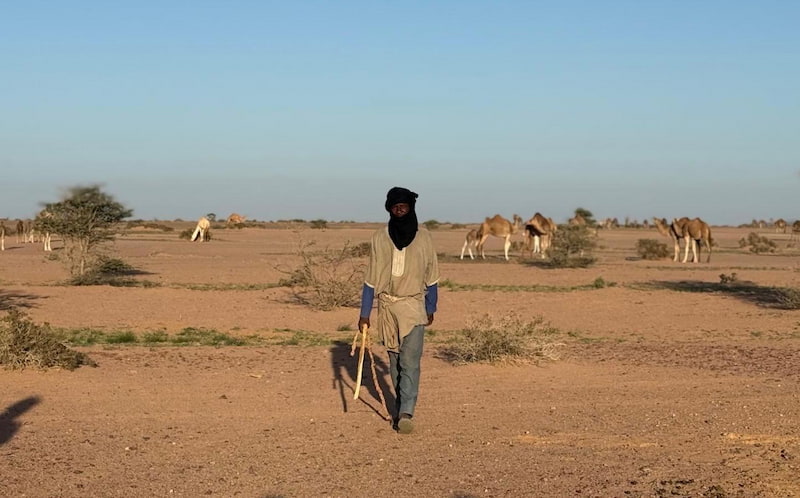
Mauritania

2.6 Doctors/10,000 Inhabitants

Resource 8

From 2026

1 health centre supported

Cardiovascular Risk Campaign and Telemedicine

Incidence in 6,000 people

Namibia

5.5 Doctors/10,000 Inhabitants

Resource 8

From 2026

2 healthcare centres supported

Equipment, maternal and child health, and Telemedicine

Incidence in 7,000 people

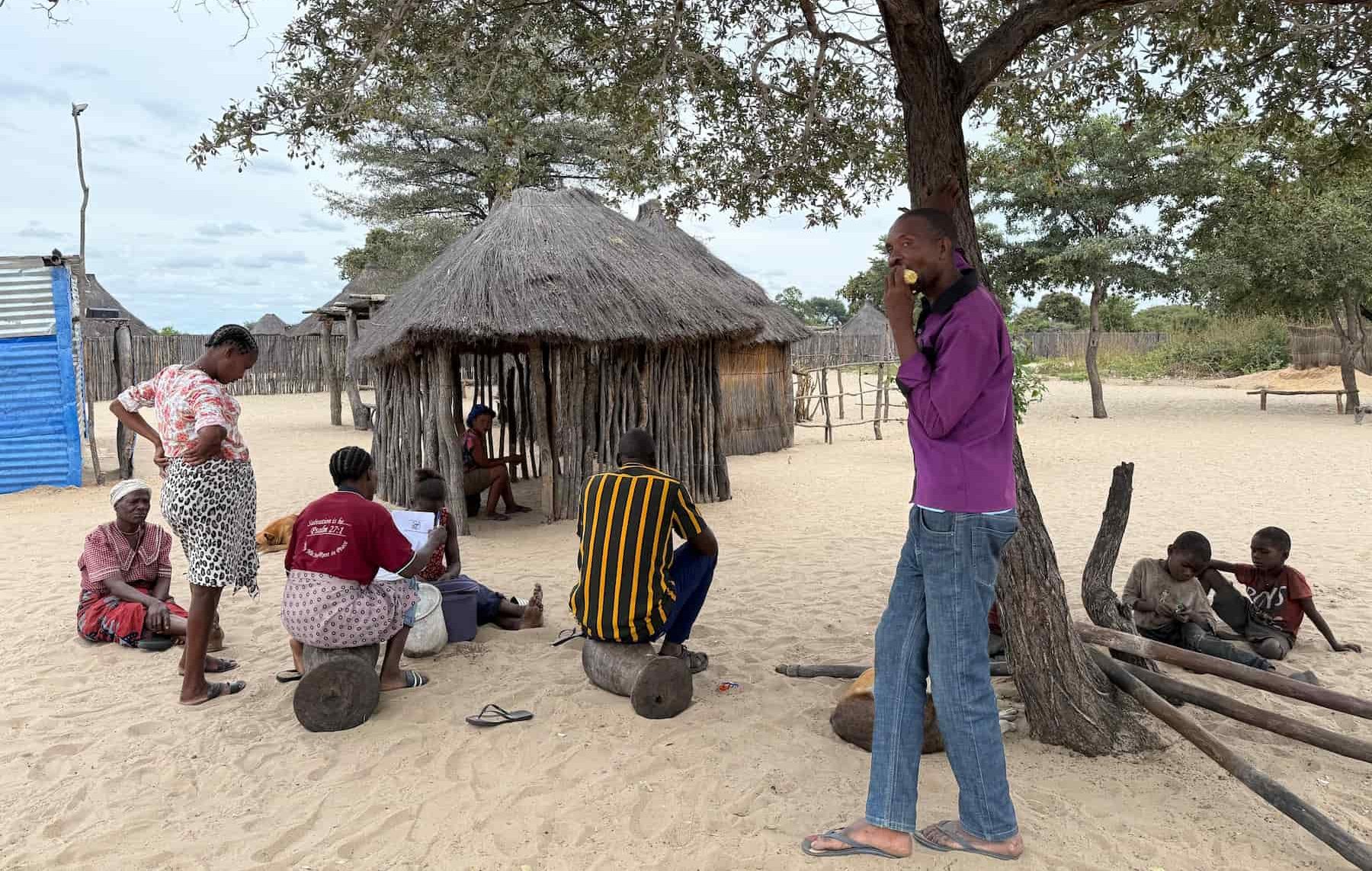
Namibian Village

Sahrawi refugee camps

Population > 200,000

0.5 Doctors/1000 Inhabitants

Resource 8

From 2025

2 health centres supported

Telemedicine, infrastructures

Incidence in 13,000 people

Sahrawi camps - kindergarten
Note this date

We celebrate our Health for Africa solidarity concert In Madrid this 18th September!

Spain

6.21 Doctors/10,000 Inhabitants

Resource 8

Since 2007

Resource 7

1,024 health and management volunteers, and non-health volunteers, offering their expertise

8 partner hospitals in the country

Resource 9

More than 90 companies/entities have collaborated with their projects

Tanzania

0,1 Doctors/10,000 Inhabitants

Resource 8

Since 2018

1 health centre supported

Operating theatre and other equipment, volunteering, telemedicine

Incidence in 10,140 people

Uganda

1,6 Doctors/10,000 Inhabitants

Resource 8

Since 2023

1 health centre supported

Telemedicine

Uganda context photo

South Sudan

0,4 Doctors/10,000 Inhabitants

Resource 8

Since 2023

2 health centres supported

Ophthalmology campaigns

Incidence in 15,000 people

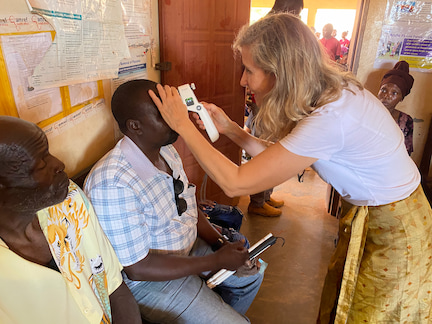
Mobile Clinic H Yambio South Sudan

Republic of Chad

0,6 Doctors/10,000 Inhabitants

Resource 8

Since 2018

1 health centre supported

Grants for laboratory training and equipment, nutrition unit and patient intervention in Spain

Incidence in 10,000 people

Image source: CC BY 2.0, Link

Equatorial Guinea

3,5 Doctors/10,000 Inhabitants

Resource 8

Since 2023

3 health centres supported

Telemedicine

Incidence in 1,000 people

Guinea Ecautorial context photo

Cameroon

1,24 Doctors/10,000 Inhabitants

Resource 8

Since 2007

71 health centres supported

Resource 10

Hospital management, electricity, water and sanitation infrastructure, health campaigns (child malnutrition, cervical cancer, cardiovascular risk, malaria, sickle cell disease), equipment (operating theatre, laboratory and physiotherapy equipment, X-ray machines, ultrasound machines, electrocardiograms, incubators, dental chairs, ambulances, etc.), training scholarships in Spain and Africa, telemedicine, intervention of 63 patients in Spain.

Incidence in 998,218 people

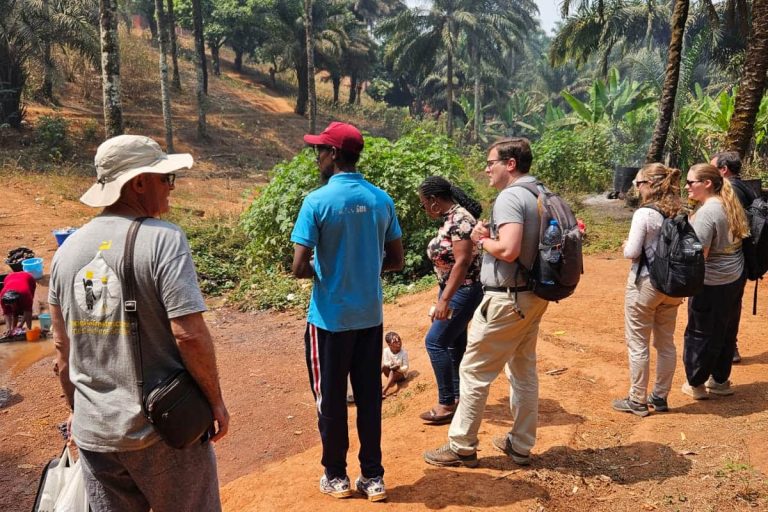
cameroon

Burundi

0,65 Doctors/10,000 Inhabitants

Resource 8

Since 2024

1 health centres supported

Reference anatomical pathology laboratory

Incidence in 78,031 people

Democratic Republic of Congo

3,7 Doctors/10,000 Inhabitants

Resource 8

Since 2017

7 health centres supported

Training in Spain, laboratory equipment, drinking water, photovoltaic energy and telemedicine

Incidence in 30,500 people

congo

Photo by Russell Watkins, Department for International Development

Burkina Faso

1 Doctor/10,000 Inhabitants

Resource 8

Since 2007

3 health centres supported

Intervention for cardiac patients in Spain, telemedicine

Incidence in 60,000 people

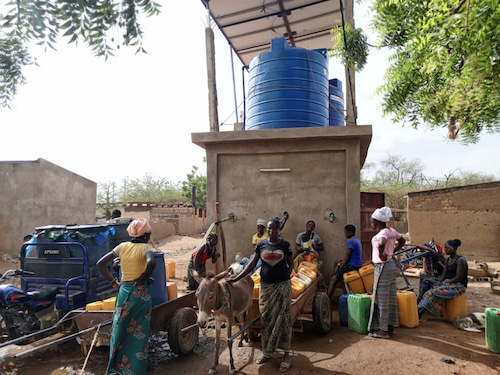
Pielá - water well - Burkina Faso

Côte d'Ivoire

1,6 Doctors/10,000 Inhabitants

Resource 8

Since 2017

23 health centres supported

Telemedicine, hospital management, maternal and child health, mental health, sickle cell disease, diabetes

Incidence in 148,000 people

côte d'ivoire context

Benin

0,62 Doctors/10,000 Inhabitants

Resource 8

Since 2018

2 health centres intervened

Maternity infrastructure, drinking water, energy, ultrasound equipment, management

Incidence in 20,850 people

Privacy Overview

This website uses cookies so that we can provide you with the best user experience possible. Cookie information is stored in your browser and performs functions such as recognising you when you return to our website and helping our team to understand which sections of the website you find most interesting and useful.