EN | EN | FR


Experiences: international volunteering trip

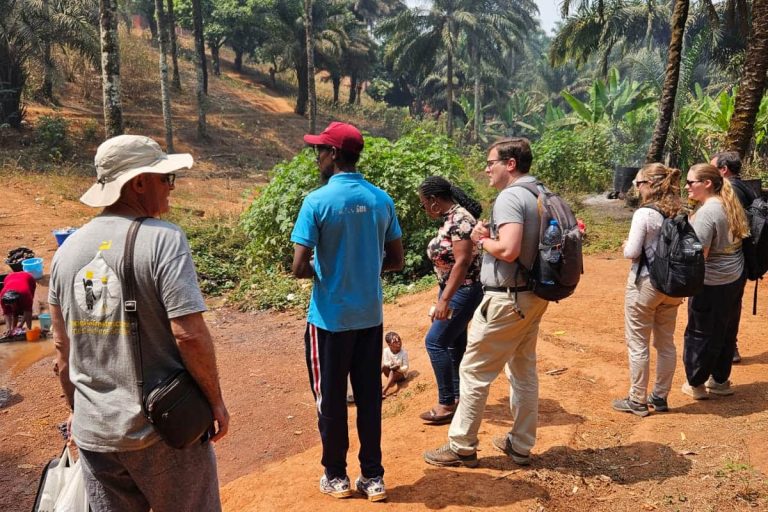
Alex Pujol, a gynaecologist, alongside Ana Inaraja and Rut Nieto, midwives—all of them from the Infanta Elena – Quirónsalud Hospital in Valdemoro—tell us about their trip to Cameroon to train healthcare professionals in the African country in pelvic ultrasound. Here is their experience for you—enjoy the read!

Ana and Ruth

There are experiences that don't allow you to see the world through the same eyes again... and that are also hard to put into words.

Cooperation is much more than volunteering. It is living the culture, living alongside its people, connecting, and understanding the situation and its circumstances from within.

The reality is that incredible work is done with resources that sometimes don't even reach the bare minimum. The truth is we are not aware of just how important a basic ultrasound scan is in other parts of the world.

And at this point in the scans and women's healthcare, we have moved ourselves. Without doubt, supporting African women is key to the engine of change. There are no words to describe the strength they transmit and the admiration they evoke... their capacity to fight, to create, to nurture, to guide, to be a mother... What a pleasure to see them pass on that strength from generation to generation.

We encourage you to contribute and play your part in collaborations that leave a mark, endure and foster change, just as training healthcare professionals does.

Alex

I sit down in front of the computer to write down my feelings after a volunteering trip… But nothing comes out… There are so many feelings and so many memories that I don't know where to start.

This is already the third time I have been to Cameroon as a medical volunteer, and no two times are the same, nor does one get used to it or does it become routine. Every time is different.

On this occasion I can certainly say it is the one where I feel most satisfied, since my work has helped to train local healthcare staff. And that is the most important thing. Although at the same time you see the limitations they are going to have in their day-to-day work, and it is not easy to adapt to that.

You arrive with all your science, your international protocols, your “New England” recommendations... And then you realise that you're not going to be able to apply them. Because reality is different, neither better nor worse, simply different. And that is what is hard to put into words.


For that very reason, I encourage you to experience it for yourselves, and to be able to take my place soon and sit in front of the computer... searching for the words to tell the tale...

If you also want to collaborate, become a member of Recover now

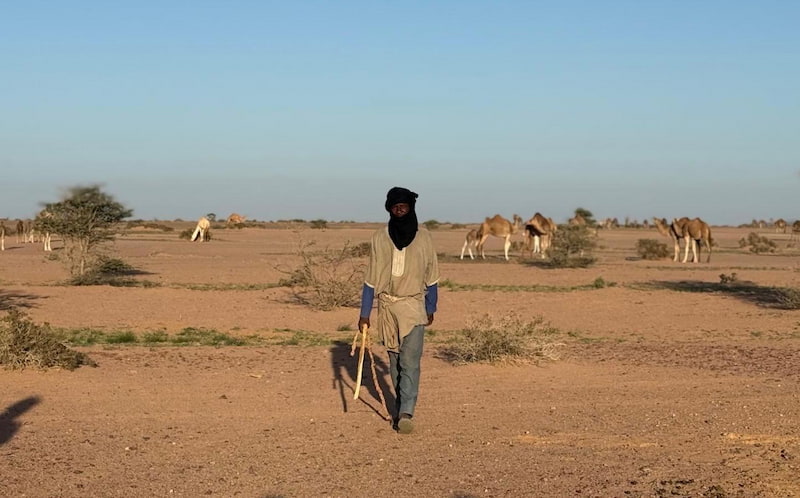
Mauritania

2.6 Doctors/10,000 Inhabitants

Resource 8

From 2026

1 health centre supported

Cardiovascular Risk Campaign and Telemedicine

Incidence in 6,000 people

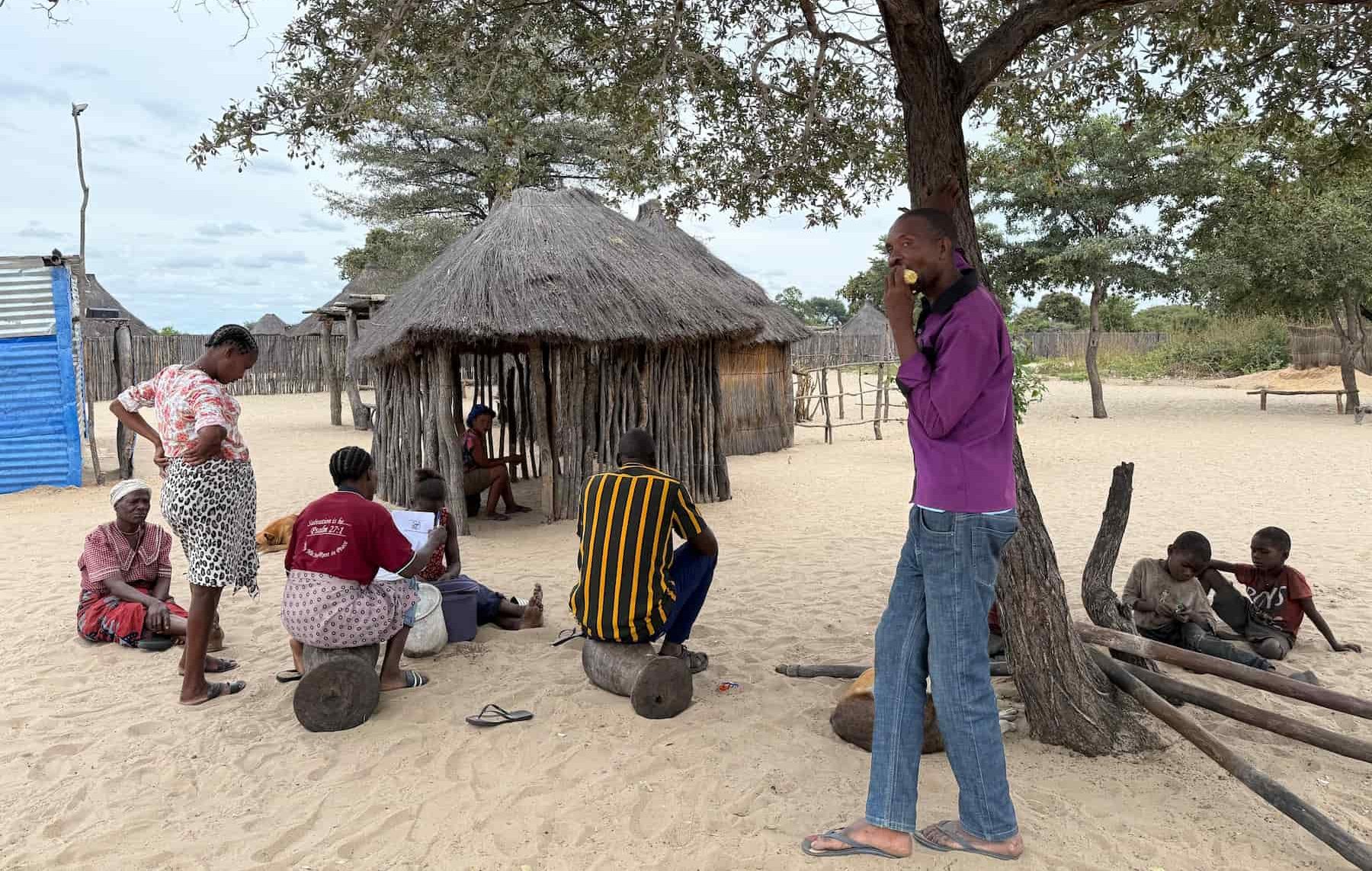
Namibia

5.5 Doctors/10,000 Inhabitants

Resource 8

From 2026

2 healthcare centres supported

Equipment, maternal and child health, and Telemedicine

Incidence in 7,000 people

Namibian Village

Sahrawi refugee camps

Population > 200,000

0.5 Doctors/1000 Inhabitants

Resource 8

From 2025

2 health centres supported

Telemedicine, infrastructures

Incidence in 13,000 people

Sahrawi camps - kindergarten
Note this date

We celebrate our Health for Africa solidarity concert In Madrid this 18th September!

Spain

6.21 Doctors/10,000 Inhabitants

Resource 8

Since 2007

Resource 7

1,024 health and management volunteers, and non-health volunteers, offering their expertise

8 partner hospitals in the country

Resource 9

More than 90 companies/entities have collaborated with their projects

Tanzania

0,1 Doctors/10,000 Inhabitants

Resource 8

Since 2018

1 health centre supported

Operating theatre and other equipment, volunteering, telemedicine

Incidence in 10,140 people

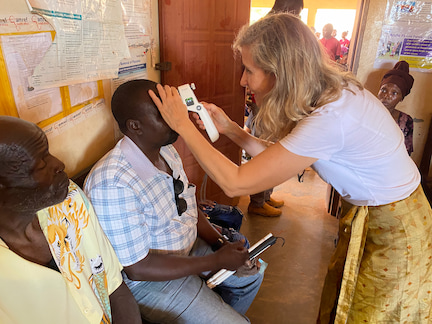
Uganda

1,6 Doctors/10,000 Inhabitants

Resource 8

Since 2023

1 health centre supported

Telemedicine

Uganda context photo

South Sudan

0,4 Doctors/10,000 Inhabitants

Resource 8

Since 2023

2 health centres supported

Ophthalmology campaigns

Incidence in 15,000 people

Mobile Clinic H Yambio South Sudan

Republic of Chad

0,6 Doctors/10,000 Inhabitants

Resource 8

Since 2018

1 health centre supported

Grants for laboratory training and equipment, nutrition unit and patient intervention in Spain

Incidence in 10,000 people

Image source: CC BY 2.0, Link

Equatorial Guinea

3,5 Doctors/10,000 Inhabitants

Resource 8

Since 2023

3 health centres supported

Telemedicine

Incidence in 1,000 people

Guinea Ecautorial context photo

Cameroon

1,24 Doctors/10,000 Inhabitants

Resource 8

Since 2007

71 health centres supported

Resource 10

Hospital management, electricity, water and sanitation infrastructure, health campaigns (child malnutrition, cervical cancer, cardiovascular risk, malaria, sickle cell disease), equipment (operating theatre, laboratory and physiotherapy equipment, X-ray machines, ultrasound machines, electrocardiograms, incubators, dental chairs, ambulances, etc.), training scholarships in Spain and Africa, telemedicine, intervention of 63 patients in Spain.

Incidence in 998,218 people

cameroon

Burundi

0,65 Doctors/10,000 Inhabitants

Resource 8

Since 2024

1 health centres supported

Reference anatomical pathology laboratory

Incidence in 78,031 people

Democratic Republic of Congo

3,7 Doctors/10,000 Inhabitants

Resource 8

Since 2017

7 health centres supported

Training in Spain, laboratory equipment, drinking water, photovoltaic energy and telemedicine

Incidence in 30,500 people

congo

Photo by Russell Watkins, Department for International Development

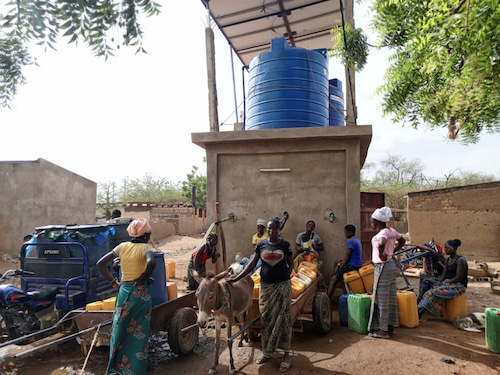
Burkina Faso

1 Doctor/10,000 Inhabitants

Resource 8

Since 2007

3 health centres supported

Intervention for cardiac patients in Spain, telemedicine

Incidence in 60,000 people

Pielá - water well - Burkina Faso

Côte d'Ivoire

1,6 Doctors/10,000 Inhabitants

Resource 8

Since 2017

23 health centres supported

Telemedicine, hospital management, maternal and child health, mental health, sickle cell disease, diabetes

Incidence in 148,000 people

côte d'ivoire context

Benin

0,62 Doctors/10,000 Inhabitants

Resource 8

Since 2018

2 health centres intervened

Maternity infrastructure, drinking water, energy, ultrasound equipment, management

Incidence in 20,850 people

Privacy Overview

This website uses cookies so that we can provide you with the best user experience possible. Cookie information is stored in your browser and performs functions such as recognising you when you return to our website and helping our team to understand which sections of the website you find most interesting and useful.