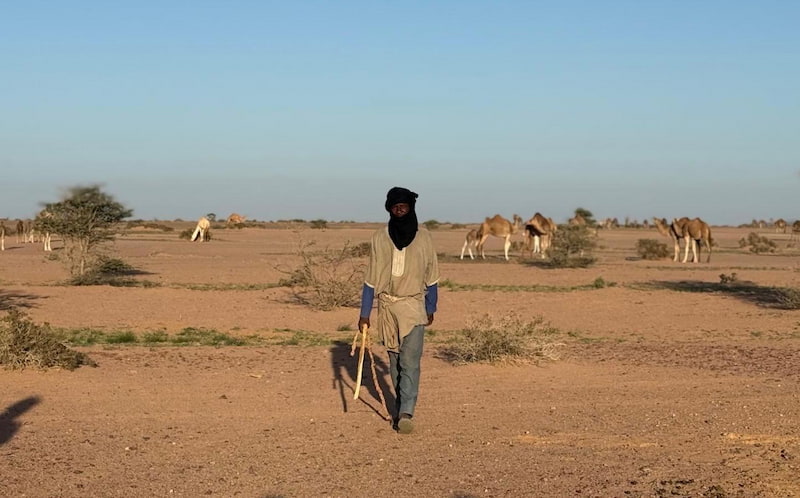
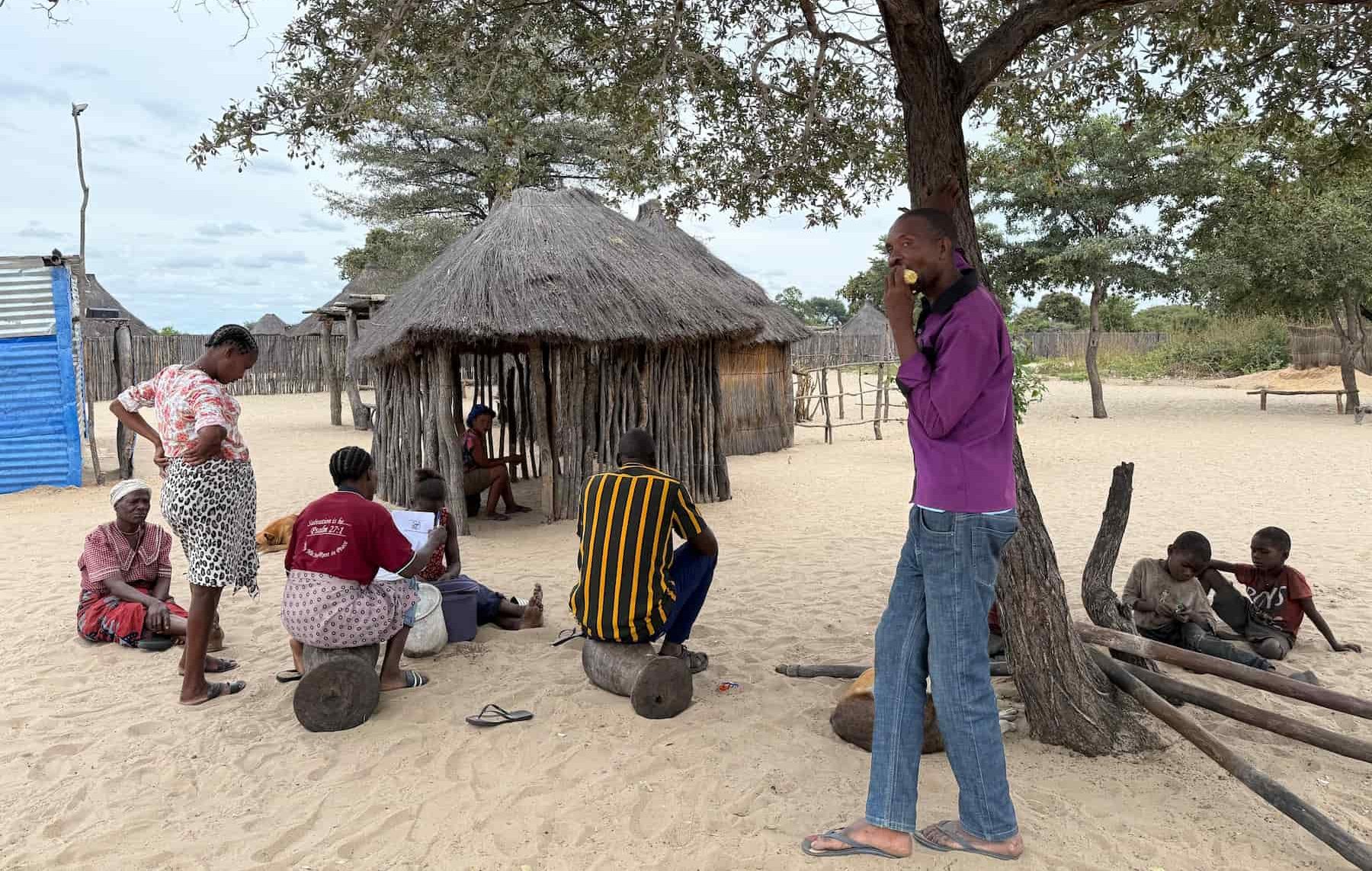
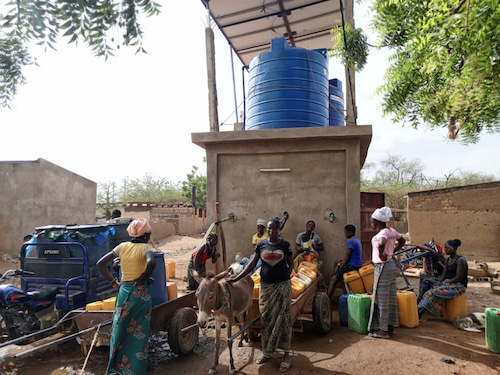
So-called ‘medical deserts’ – areas where the population has insufficient access to healthcare professionals and services – pose a challenge to healthcare systems worldwide. In sub-Saharan Africa, this situation is exacerbated by a shortage of healthcare professionals, the concentration of specialists in major cities, and difficulties in accessing medical infrastructure and equipment.
Against this backdrop, the Recover Foundation has published the report “Telemedicine: a pragmatic solution to healthcare deserts around the world – the Recover Foundation’s initiative in sub-Saharan Africa”, a document that analyses the potential of digital health to improve access to healthcare and sets out the organisation’s experience following thirteen years of developing its telemedicine programme.

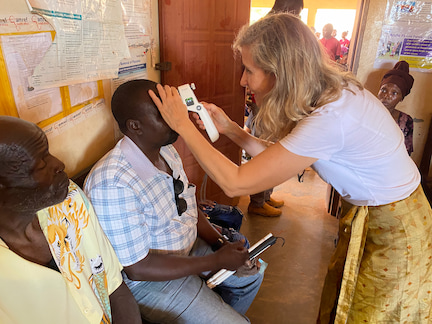
The Recover Foundation’s initiative connects healthcare professionals in Africa with volunteer specialists from Spain and other countries via the platform Sparkspace, allowing to share clinical cases and receive remote support to guide the diagnosis and treatment of patients. The programme also aims to strengthen the continuing professional development of healthcare staff and to promote collaboration between the centres that form part of the Recover network.
Since its launch in 2013, the Recover Foundation’s telemedicine programme has evolved from the initial exchange of clinical cases via email to a digital platform tailored to the conditions and needs of African healthcare centres. In its early years, between 2013 and 2017, the initiative reached 45 healthcare centres across four countries, with 991 diagnostic cases and 49 training sessions.
As at June 2026, 522 participants from eight African countries were registered on the platform, along with 77 volunteer specialists from Spain, the United Kingdom, Canada, Germany and Argentina. Since the programme began, 179 volunteer professionals have taken part in the initiative.
The diagnostic support service It forms the backbone of the platform. Through it, healthcare professionals at participating centres can raise complex cases and receive support from specialists. Since 2013, around 3,800 cases, in specialisms such as gynaecology and obstetrics, internal medicine, dermatology and paediatrics. The platform also features a media library containing 728 documents and bibliographical references to support training and professional practice.
The report highlights that telemedicine not only facilitates access to specialists and reduces the need for patients living in rural areas to travel. It has also become a tool for continuing professional development, knowledge sharing and cooperation in healthcare, fostering professional links between African healthcare teams and volunteer specialists from other countries.
The document also addresses the main challenges to the development of telemedicine in Africa, such as limitations in connectivity and access to devices, difficulties with the electricity supply, costs, the protection of health data and the need to adapt technological solutions to local circumstances. You can download the full report on telemedicine from the Recover Foundation here: