Sickle cell disease is caused by genes passed on by the parents to the person with sickle cell disease. It is inherited. It takes two sickle cell genes, one inherited from each parent, to develop sickle cell disease. Anaemia is usually the first sign of the disease. It varies over time, is chronic and can suddenly worsen.
In addition, there are other symptoms associated with the disease such as painful seizures, often called "pain attacks", jaundice (yellowing of the skin and eyes due to accumulation of bilirubin), frequent infections, growth retardation, eye problems or organ failure. In addition, women with sickle cell disease need close multidisciplinary follow-up and support throughout pregnancy, as well as early care for the newborn.
At Cameroon, between 10% and 40% of the population carries the sickle cell gene.The population is about 3.5 million persons. Of these, some 350,000 people are considered chronically ill, according to the Ministry of Public Health.
The campaigns that the Recover Foundation organises to help alleviate this disease are structured around four activities. First of all, an important work is carried out to communication and public awareness. Secondly, it strengthen the capacities of staff The project will provide information on the methods to be used, both online and in person, thanks to the collaboration of volunteer health professionals from different public and private hospitals in Spain.
Thirdly, recourse is made to the use of the haemotype for diagnosis of the disease. These are strips that are inserted into a reagent cylinder and have an effectiveness rate of 99%. Fourthly, the treatment begins after screening results and may include hydroxyurea, penicillin, folic acid and oracillin. Follow-up appointments are made to regularly monitor the patient, provide advice on how to anticipate crises, and provide medication if needed.
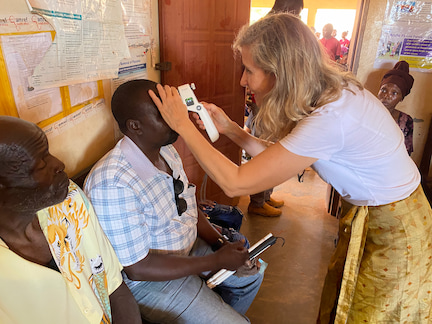
The latest campaign conducted by the Recover Foundation took place between November 2023 and August 2024 in three health centres in Cameroon. A total of 1,868 people, including men, women and children, were screened and definitively diagnosed. The incidence of the disease is 31% (between carriers and people with sickle cell disease), which is in line with the country's statistics.
Full details of the report can be found here: