EN | EN | FR


Conclusions of the training day "The health profile in sub-Saharan Africa".

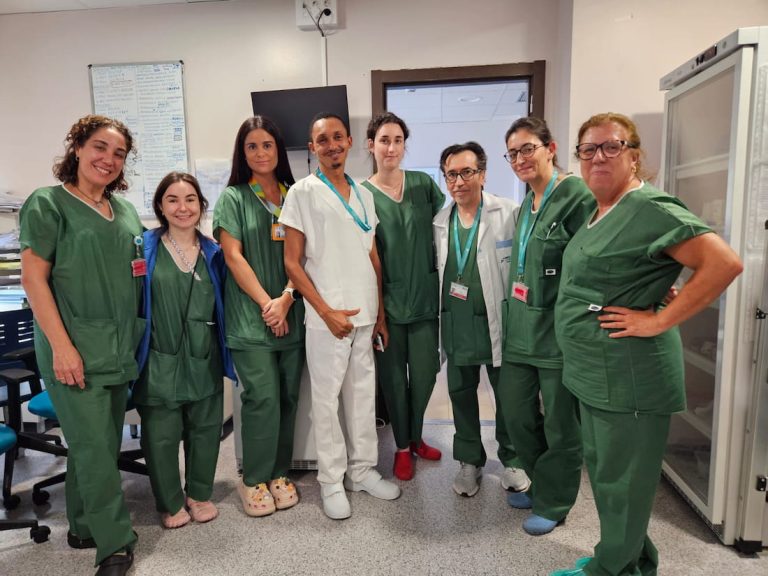
On Wednesday, March 30, from Fundacion Recover we held the training session “Get to know the health profile in Sub-Saharan Africa” as part of the Master’s Degree in Research and Nursing Care for Vulnerable Populations at the Autonomous University of Madrid. During this session, we emphasized the importance of work to ensure that the right to health (SDG 3) is not a privilege, For this, it is essential to take into account its relationship with other Sustainable Development Goals, such as the right to education, water, housing or the eradication of poverty.

Although it is true that there have been great improvements in health care on the African continent, these changes are advancing more slowly than is desirable, which is why many African countries still face challenges. Great difficulties in accessing quality healthcare. This situation is further complicated when international cooperation is limited by erroneous perspectives on African conditions and current events, or by the emergence of new global challenges, such as the COVID-19 pandemic or the conflict in Ukraine, which have among their consequences the neglect of other diseases, thereby increasing mortality rates, poverty, or malnutrition.

There are three key indicators to understand the health profile in sub-Saharan Africa. This region of the world faces 24% of the global disease burden with only 1% of global funding and 3% of healthcare professionals. In this context, it is not difficult to imagine that the main weaknesses of the healthcare system are caused by Lack of human and financial resources, as well as infrastructure. All of this prevents access to healthcare with guarantees, in addition to the fact that Sanidad is 100% paid for. Moreover, efforts to train those 3% health professionals sometimes lead to a “brain drain”, as when they are trained in other countries, sometimes European ones, some see that their conditions could be better and decide not to return to their country. However, this also has its drawbacks. Main strengths African health systems are among those figures: in the Strong commitment from healthcare professionals who work there, and in the training of the entire field of nursing.

At Fundación Recover we believe that the implementation of a perseverance model in which healthcare centers are equipped with the necessary tools to self-manage and offer quality services at affordable prices For the local population, it is indispensable for sustainable development. To carry out effective cooperation interventions that enable us to face future challenges, it is essential to start from participation. local, fleeing gratuitism and assistentialism and Respecting the local culture working towards equality.

Finally, we would like to highlight that the volunteering It is open to everyone who wants to collaborate with Fundación Recover. The profile we are looking for is diverse, open-minded, professional, and with values. And knowing French is always an advantage!

Donate your time

Sign up!

If you also want to collaborate, become a member of Recover now

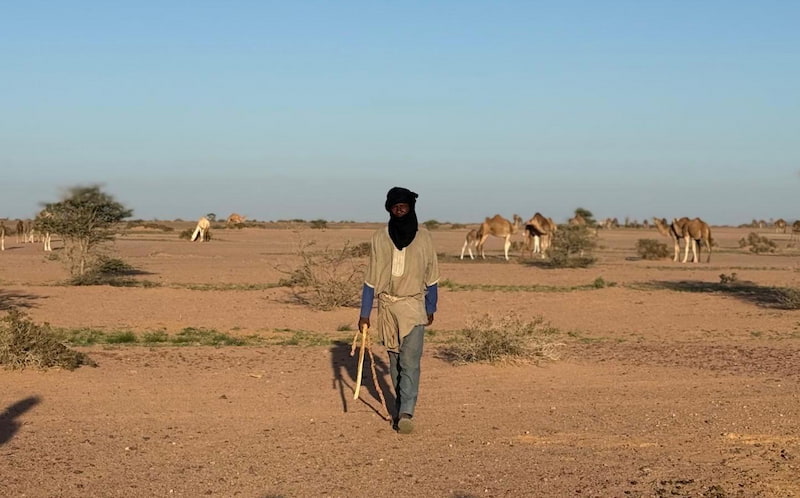
Mauritania

2.6 Doctors/10,000 Inhabitants

Resource 8

From 2026

1 health centre supported

Cardiovascular Risk Campaign and Telemedicine

Incidence in 6,000 people

Namibia

5.5 Doctors/10,000 Inhabitants

Resource 8

From 2026

2 healthcare centres supported

Equipment, maternal and child health, and Telemedicine

Incidence in 7,000 people

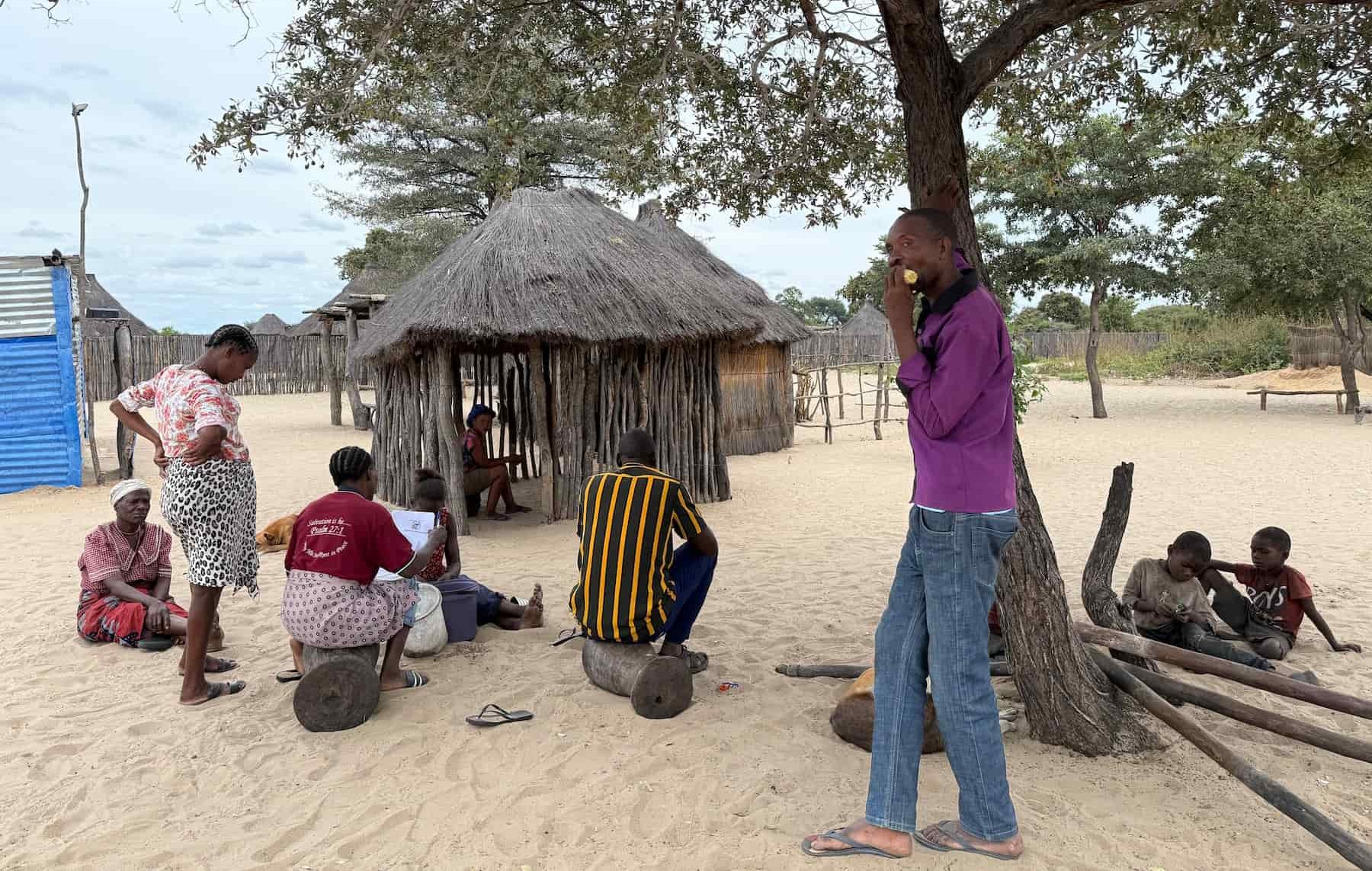
Namibian Village

Sahrawi refugee camps

Population > 200,000

0.5 Doctors/1000 Inhabitants

Resource 8

From 2025

2 health centres supported

Telemedicine, infrastructures

Incidence in 13,000 people

Sahrawi camps - kindergarten

Spain

6.21 Doctors/10,000 Inhabitants

Resource 8

Since 2007

Resource 7

1,024 health and management volunteers, and non-health volunteers, offering their expertise

8 partner hospitals in the country

Resource 9

More than 90 companies/entities have collaborated with their projects

Tanzania

0,1 Doctors/10,000 Inhabitants

Resource 8

Since 2018

1 health centre supported

Operating theatre and other equipment, volunteering, telemedicine

Incidence in 10,140 people

Uganda

1,6 Doctors/10,000 Inhabitants

Resource 8

Since 2023

1 health centre supported

Telemedicine

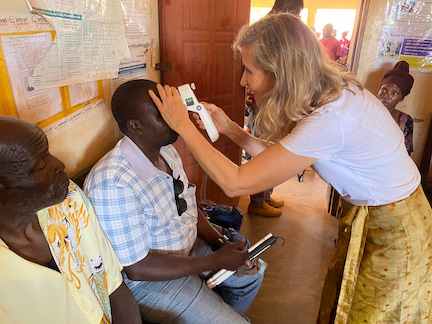
Uganda context photo

South Sudan

0,4 Doctors/10,000 Inhabitants

Resource 8

Since 2023

2 health centres supported

Ophthalmology campaigns

Incidence in 15,000 people

Mobile Clinic H Yambio South Sudan

Republic of Chad

0,6 Doctors/10,000 Inhabitants

Resource 8

Since 2018

1 health centre supported

Grants for laboratory training and equipment, nutrition unit and patient intervention in Spain

Incidence in 10,000 people

Image source: CC BY 2.0, Link

Equatorial Guinea

3,5 Doctors/10,000 Inhabitants

Resource 8

Since 2023

3 health centres supported

Telemedicine

Incidence in 1,000 people

Guinea Ecautorial context photo

Cameroon

1,24 Doctors/10,000 Inhabitants

Resource 8

Since 2007

71 health centres supported

Resource 10

Hospital management, electricity, water and sanitation infrastructure, health campaigns (child malnutrition, cervical cancer, cardiovascular risk, malaria, sickle cell disease), equipment (operating theatre, laboratory and physiotherapy equipment, X-ray machines, ultrasound machines, electrocardiograms, incubators, dental chairs, ambulances, etc.), training scholarships in Spain and Africa, telemedicine, intervention of 63 patients in Spain.

Incidence in 998,218 people

cameroon

Burundi

0,65 Doctors/10,000 Inhabitants

Resource 8

Since 2024

1 health centres supported

Reference anatomical pathology laboratory

Incidence in 78,031 people

Democratic Republic of Congo

3,7 Doctors/10,000 Inhabitants

Resource 8

Since 2017

7 health centres supported

Training in Spain, laboratory equipment, drinking water, photovoltaic energy and telemedicine

Incidence in 30,500 people

congo

Photo by Russell Watkins, Department for International Development

Burkina Faso

1 Doctor/10,000 Inhabitants

Resource 8

Since 2007

3 health centres supported

Intervention for cardiac patients in Spain, telemedicine

Incidence in 60,000 people

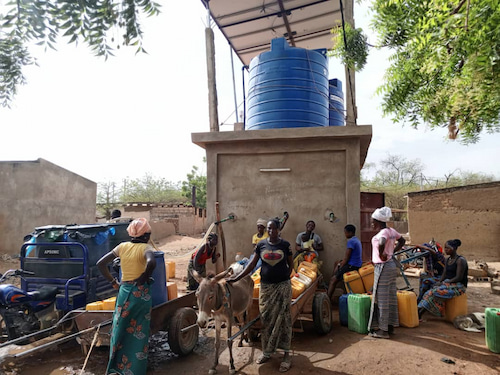
Pielá - water well - Burkina Faso

Côte d'Ivoire

1,6 Doctors/10,000 Inhabitants

Resource 8

Since 2017

23 health centres supported

Telemedicine, hospital management, maternal and child health, mental health, sickle cell disease, diabetes

Incidence in 148,000 people

côte d'ivoire context

Benin

0,62 Doctors/10,000 Inhabitants

Resource 8

Since 2018

2 health centres intervened

Maternity infrastructure, drinking water, energy, ultrasound equipment, management

Incidence in 20,850 people

Privacy Overview

This website uses cookies so that we can provide you with the best user experience possible. Cookie information is stored in your browser and performs functions such as recognising you when you return to our website and helping our team to understand which sections of the website you find most interesting and useful.