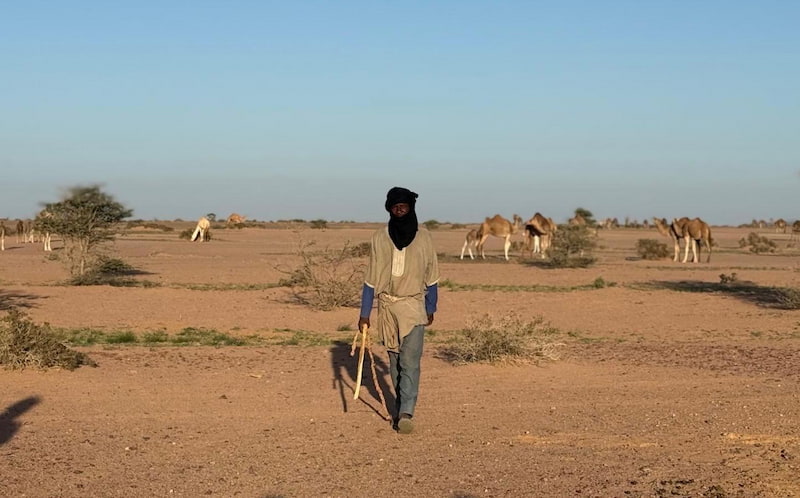
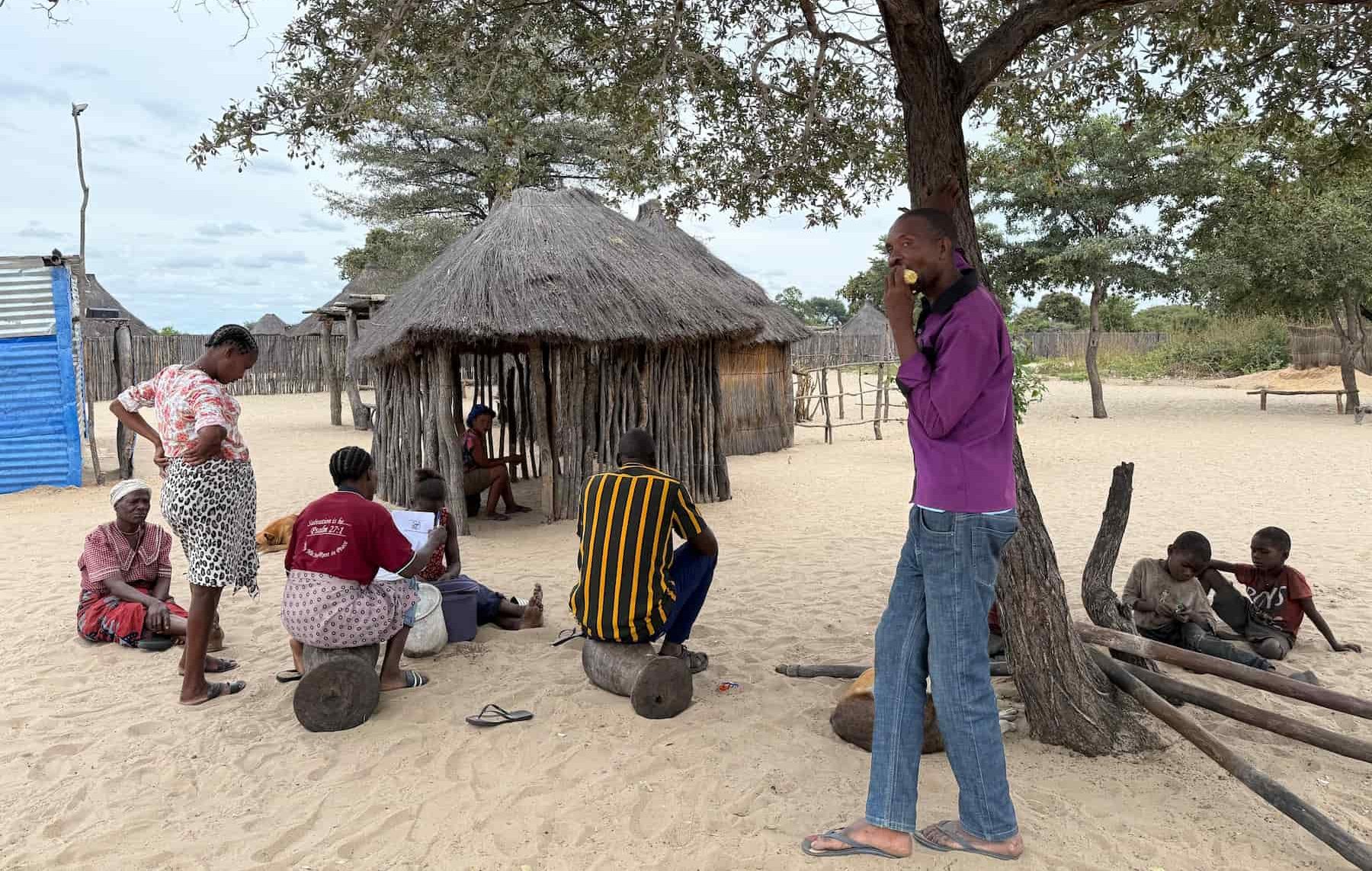
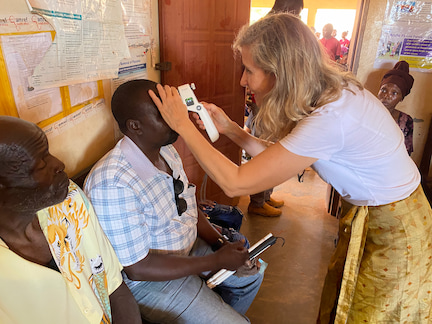
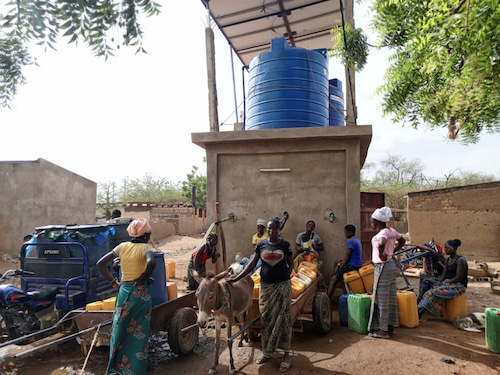
To mark our tenth anniversary, we have created an exhibition through the eyes of Silvia Cachafeiro, a photographer and volunteer for Recover. The exhibition, featuring 43 pieces, showcases our work on the African continent: from the San Martín de Porres Hospital, our first collaboration 10 years ago and now a reference centre in Cameroon, to Obout, our latest project deep in the Cameroonian jungle, which has a long way to go.
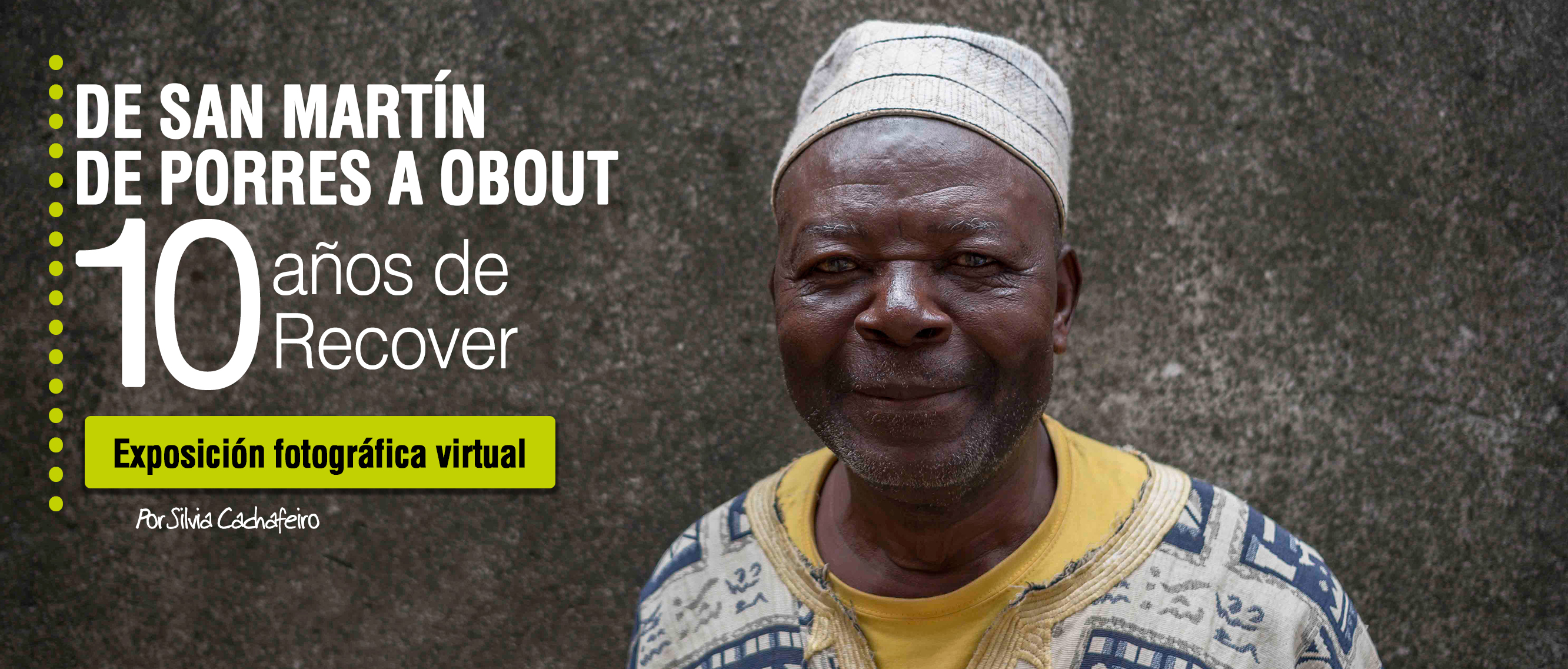
This is a small sample from the exhibition, which is touring different cities in Spain throughout 2018. The donations obtained thanks to the photographs will go towards the small Obout dispensary, building a maternity and child area, equipping it with the missing materials, and ensuring access to water and electricity, among other things.
Hospital San Martín de Porres (Yaoundé, Cameroon): Recover was born with it
In Mvog Betsi, where the hospital that has grown from 18 to 158 employees in 10 years is located, a vibrant neighbourhood has developed. The more than 62,000 patients it sees annually also come from far and wide, as its reputation is far-reaching. Currently, the hospital is in full growth, expanding its maternity, paediatric and palliative care facilities. For many, it is a reference hospital in Cameroon.
Specialised units
Thanks to the great development of San Martín de Porres Hospital, the centre now has specialised units for HIV, Diabetes, Palliative Care, and Cervical Cancer, where not only the illness is treated but also psychological support and health education are offered to patients.
Recover works on monitoring patients through meetings with medical staff and patients of different age groups, where doubts are also resolved and experiences from their daily lives are shared. Furthermore, they have a social integration programme for women with HIV, who cook various foods that are sold in the hospital canteen and to the community, thus fighting stigmatisation.
Furthermore, when we think of diseases in Africa, malaria and Ebola spring to mind… But there are other ‘silent’ diseases which, although they seem to have been forgotten, kill people and undermine their quality of life. This is the case with diabetes. More than 80% of deaths from this disease are recorded in countries such as Cameroon, a country where more than half a million people are affected, which is why the centre has set up a specialist unit.
Obout Medical Centre (Cameroon): A Look to the Future
Obout is situated in the heart of the Cameroonian jungle, in a rural area with limited access to clean water and electricity. This dispensary has, in 3 years, gone from treating over 5,000 patients annually with just one doctor and two nurses, who perform everything from tooth extractions to surgeries. The high demand from the population means its development potential could change the lives of thousands of people in the near future.
Society changes with hospitals
The development of a hospital undoubtedly has a positive impact on health; but it also has an impact on the economy and the culture of the local population. Around the San Martín de Porres and de Obout Hospital, for example, an entire community has sprung up which now sees things in a different light.
“Suddenly, the portraits of three fathers looking at the camera catch your eye. There are also five mothers, but this is what you’d expect to see in an exhibition about Africa: women with children by their side… or is it? What’s not so common is seeing men taking their babies, just a few months old, to the doctor. It’s something new, very innovative: some young men are daring to break with tradition and the taboos that, across almost all of Africa, relegate the care of young children to their mothers.” – Chema Caballero | Writer for the El País blog, aid worker and expert on Africa
Send an email to fotografiasolidaria@fundacionrecover.org
Please call (+34) 91 411 09 68 – 91 049 67 31