EN | EN | FR


From training to transformation: new mission in Cameroon

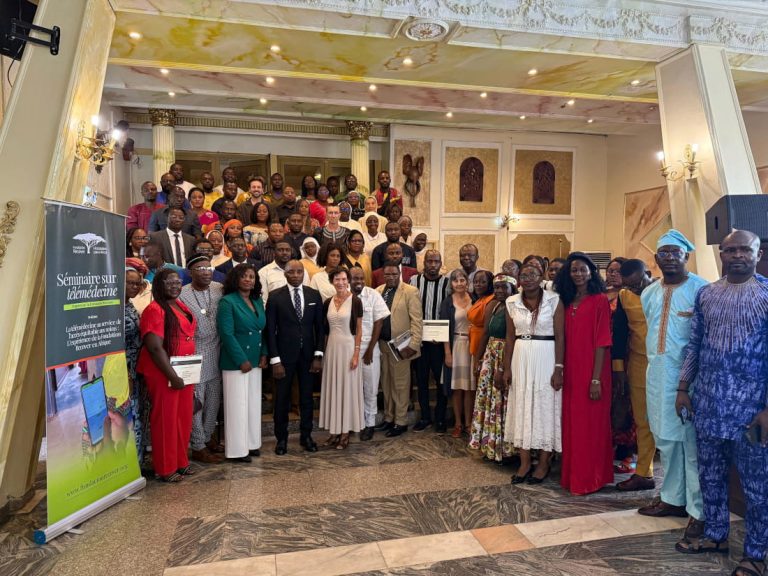
A team of three healthcare professionals from the Infanta Elena Hospital in Valdemoro has recently completed a volunteer mission in Cameroon, where they played a key role in training and supporting local healthcare professionals.
caesarea-camerun-africa-volunteers

This mission, selected in the fifth call for funding by the Quirónsalud Foundation for cooperation, was composed of Dr. Elena Rojo Galobardes, a gynecologist, and the midwives Ana Inaraja Arche and Sandra García Alba. The focus of the training was on providing training in pelvic and obstetric ultrasound. The training was carried out in two different regions of Cameroon, West and Central. In total, the team of volunteers trained 17 local professionals.

Ana Inaraja, one of the volunteer midwives, shared her testimony about this enriching experience:

«This is my second year working as a volunteer in Cameroon with the Recover Foundation. I traveled with my colleagues Sandra and Elena. It was a very rewarding and satisfying experience, especially knowing that the professionals we worked with benefited from the training and that they will put into practice all the knowledge they have acquired in their day-to-day work for the benefit of the patients.«.

In addition to the training, the volunteers participated in the daily work of the health centers, which included performing some interventions such as cesarean sections and deliveries.

«The truth is that there are situations that we are not used to due to a lack of resources. It is a bit complicated to adapt, especially when we had to enter the operating room due to obstetric emergencies. But we have felt very supported at all times by the healthcare workers who work there, who have been very cooperative and have shown us their ways of doing things.«That's it," said Ana.

Professionally, this experience has left a mark on the volunteers, who emphasize the importance of creativity and efficiency with limited resources. On a personal level, Ana highlighted the value of cultural exchange and relationships with the local community during the mission.

The three volunteers are already thinking about future missions. «I am waiting for the training to take place next year. Hopefully we will have the opportunity to return and continue training on topics as important as these,» Ana concluded.

These types of initiatives are essential for strengthening health systems in areas with limited resources and demonstrate the commitment of Hospital Infanta Elena de Valdemoro to international cooperation and the improvement of healthcare services. Healthcare in Sub-Saharan Africa.

If you also want to collaborate, become a member of Recover now
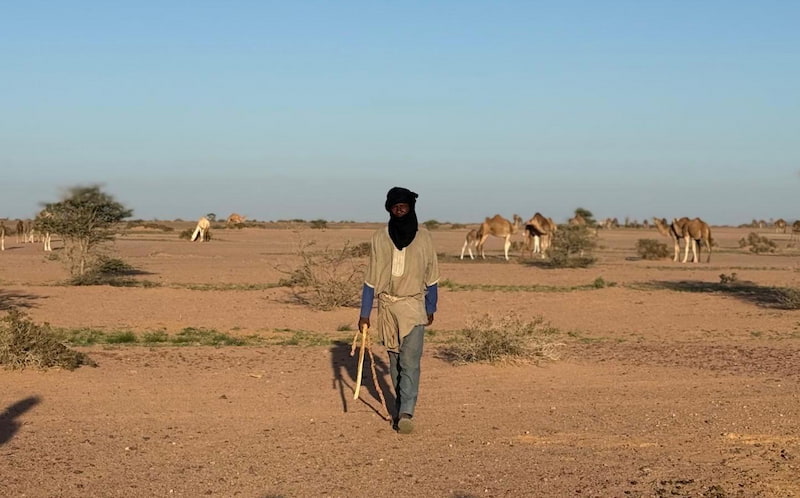
Mauritania

2.6 Doctors/10,000 Inhabitants

Resource 8

From 2026

1 health centre supported

Cardiovascular Risk Campaign and Telemedicine

Incidence in 6,000 people

Namibia

5.5 Doctors/10,000 Inhabitants

Resource 8

From 2026

2 healthcare centres supported

Equipment, maternal and child health, and Telemedicine

Incidence in 7,000 people

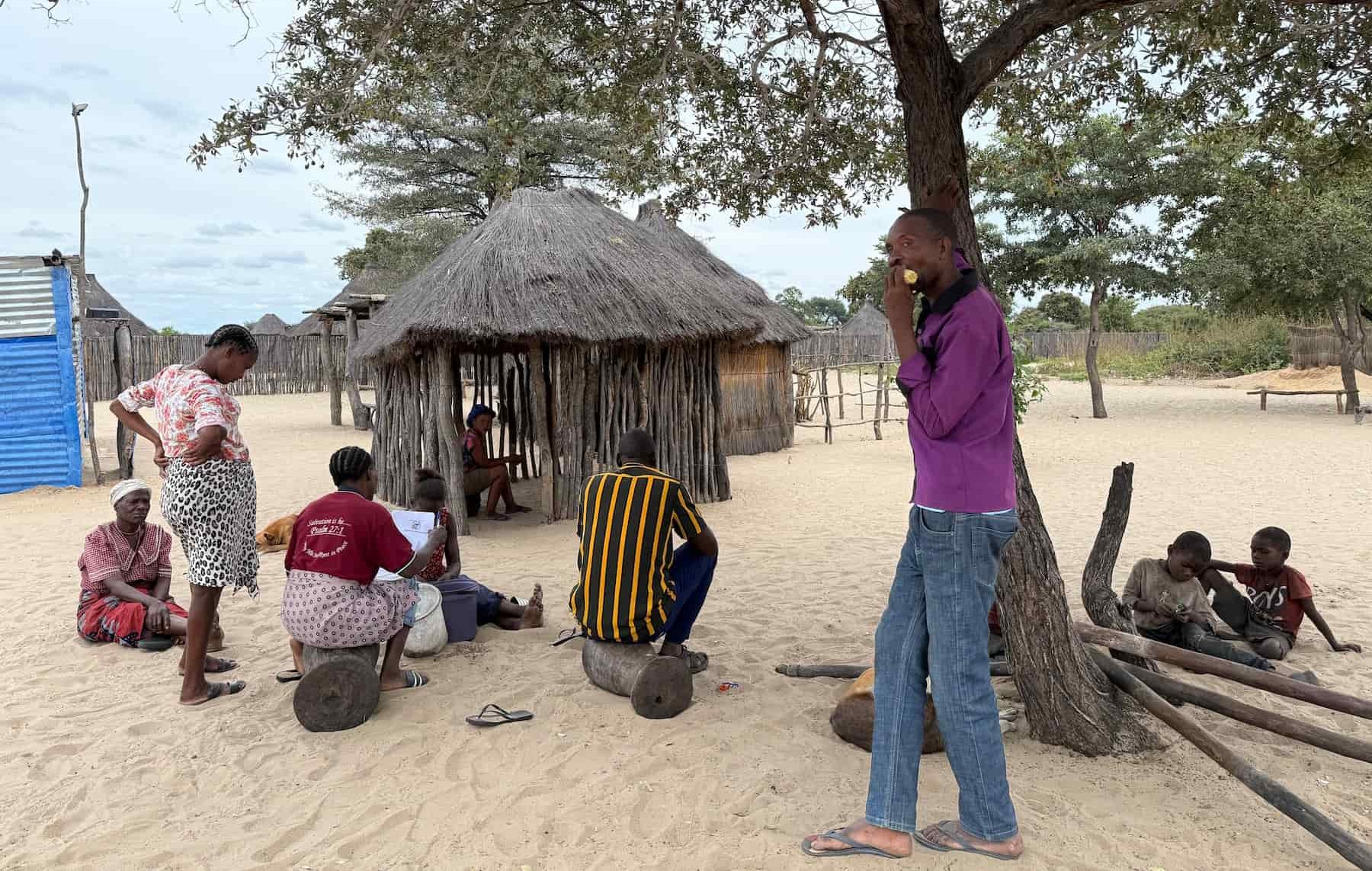
Namibian Village

Sahrawi refugee camps

Population > 200,000

0.5 Doctors/1000 Inhabitants

Resource 8

From 2025

2 health centres supported

Telemedicine, infrastructures

Incidence in 13,000 people

Sahrawi camps - kindergarten

Spain

6.21 Doctors/10,000 Inhabitants

Resource 8

Since 2007

Resource 7

1,024 health and management volunteers, and non-health volunteers, offering their expertise

8 partner hospitals in the country

Resource 9

More than 90 companies/entities have collaborated with their projects

Tanzania

0,1 Doctors/10,000 Inhabitants

Resource 8

Since 2018

1 health centre supported

Operating theatre and other equipment, volunteering, telemedicine

Incidence in 10,140 people

Uganda

1,6 Doctors/10,000 Inhabitants

Resource 8

Since 2023

1 health centre supported

Telemedicine

Uganda context photo

South Sudan

0,4 Doctors/10,000 Inhabitants

Resource 8

Since 2023

2 health centres supported

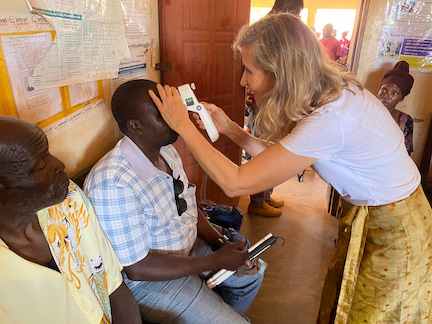
Ophthalmology campaigns

Incidence in 15,000 people

Mobile Clinic H Yambio South Sudan

Republic of Chad

0,6 Doctors/10,000 Inhabitants

Resource 8

Since 2018

1 health centre supported

Grants for laboratory training and equipment, nutrition unit and patient intervention in Spain

Incidence in 10,000 people

Image source: CC BY 2.0, Link

Equatorial Guinea

3,5 Doctors/10,000 Inhabitants

Resource 8

Since 2023

3 health centres supported

Telemedicine

Incidence in 1,000 people

Guinea Ecautorial context photo

Cameroon

1,24 Doctors/10,000 Inhabitants

Resource 8

Since 2007

71 health centres supported

Resource 10

Hospital management, electricity, water and sanitation infrastructure, health campaigns (child malnutrition, cervical cancer, cardiovascular risk, malaria, sickle cell disease), equipment (operating theatre, laboratory and physiotherapy equipment, X-ray machines, ultrasound machines, electrocardiograms, incubators, dental chairs, ambulances, etc.), training scholarships in Spain and Africa, telemedicine, intervention of 63 patients in Spain.

Incidence in 998,218 people

cameroon

Burundi

0,65 Doctors/10,000 Inhabitants

Resource 8

Since 2024

1 health centres supported

Reference anatomical pathology laboratory

Incidence in 78,031 people

Democratic Republic of Congo

3,7 Doctors/10,000 Inhabitants

Resource 8

Since 2017

7 health centres supported

Training in Spain, laboratory equipment, drinking water, photovoltaic energy and telemedicine

Incidence in 30,500 people

congo

Photo by Russell Watkins, Department for International Development

Burkina Faso

1 Doctor/10,000 Inhabitants

Resource 8

Since 2007

3 health centres supported

Intervention for cardiac patients in Spain, telemedicine

Incidence in 60,000 people

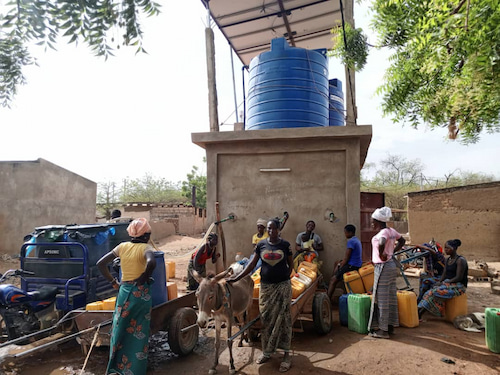
Pielá - water well - Burkina Faso

Côte d'Ivoire

1,6 Doctors/10,000 Inhabitants

Resource 8

Since 2017

23 health centres supported

Telemedicine, hospital management, maternal and child health, mental health, sickle cell disease, diabetes

Incidence in 148,000 people

côte d'ivoire context

Benin

0,62 Doctors/10,000 Inhabitants

Resource 8

Since 2018

2 health centres intervened

Maternity infrastructure, drinking water, energy, ultrasound equipment, management

Incidence in 20,850 people

Privacy Overview

This website uses cookies so that we can provide you with the best user experience possible. Cookie information is stored in your browser and performs functions such as recognising you when you return to our website and helping our team to understand which sections of the website you find most interesting and useful.